PlateCooking tips9 min read
How long to boil an egg: soft, jammy and hard-boiled times
How long to boil an egg: about 6 minutes for soft, 7 to 8 for jammy and 10 to 12 for hard, plus cold-start times, easy peeling and runny-yolk safety.
Lower a large egg into boiling water and cook it for about 6 minutes for a soft, runny yolk, 7 to 8 minutes for jammy and 10 to 12 minutes for hard-boiled, then move it straight into ice water. Treat those numbers as starting points: egg size, fridge-cold eggs, altitude and a crowded pan all change the time.
We make Plate, a recipe keeper for iPhone with a Cook Mode built for the stove, so we think a lot about kitchen timers. Here's a chart for hot-start and cold-start eggs, why the numbers move, and how to peel, serve and store them safely.
How long do you boil an egg?
Boil a large egg for about 6 minutes for a soft yolk, 7 to 8 minutes for jammy and 10 to 12 minutes for hard-boiled, timed from the moment it goes into water that's already boiling. That's the hot-start method, and it's the most predictable one, because the clock starts at a known temperature. The cold-start method works differently. N.C. Cooperative Extension's guide to peeling a hard-cooked egg says to set the eggs in a single layer, cover them with about an inch of cold water and heat to boiling. Then turn off the heat, cover the pan and let them stand: 9 minutes for medium eggs, 12 for large and 15 for extra-large. Either way, cool the eggs in ice water as soon as the time is up, or they keep cooking in their shells. Your stove, your pan and your eggs all nudge the result, so test a batch once and write down your own number.
Boiled egg times chart: soft, jammy, medium and hard
These times assume a large egg straight from the fridge, near sea level, in a pan that isn't crowded:
| Yolk you want | Hot start: into boiling water | Cold start: boil, then stand off the heat | What you'll see |
|---|---|---|---|
| Soft | About 6 min | Use a hot start | Set white, liquid yolk |
| Jammy | 7 to 8 min | Use a hot start | Thick, sticky, glossy yolk |
| Medium | About 9 min | Use a hot start | Mostly set, soft center |
| Hard | 10 to 12 min | About 12 min standing | Fully set, pale yellow yolk |
Why no cold-start times for soft eggs? With a cold start, the eggs cook while the water heats, and that speed depends on your burner, pan and water. For a runny yolk, a minute is the whole difference, so the hot start is easier to repeat.
The quickest way to find your number is one test batch:
- Lower four fridge-cold eggs into gently boiling water with a spoon.
- Lift one into ice water at 6, 7, 8 and 10 minutes.
- Halve each one and write down the time of the yolk you liked.
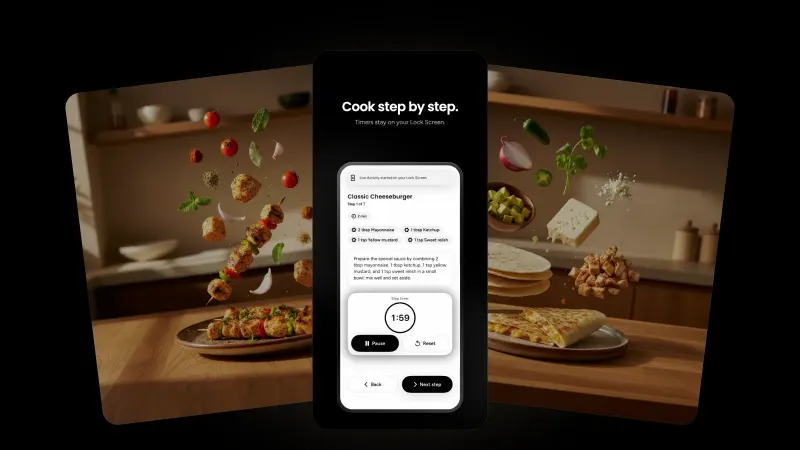
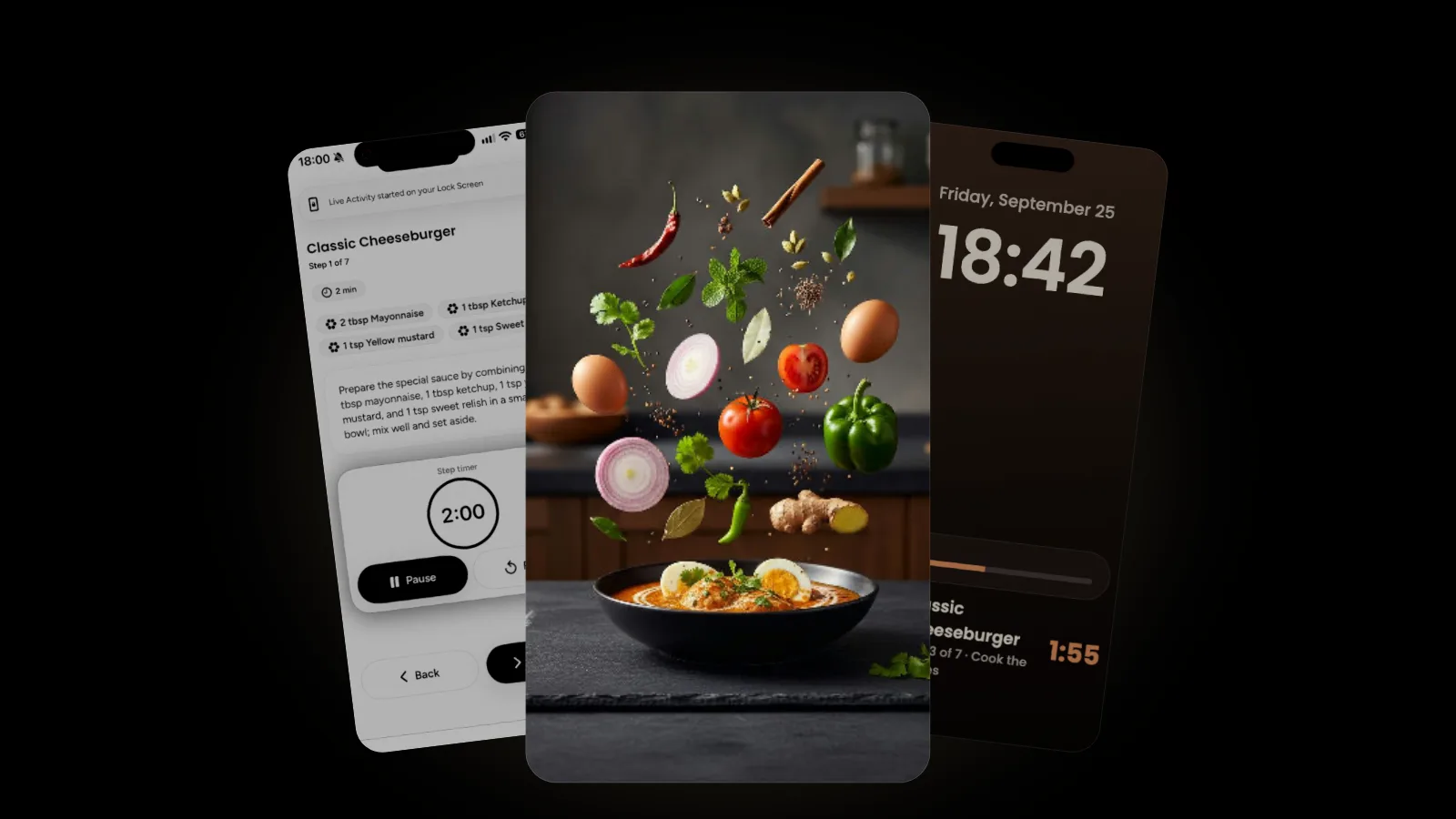
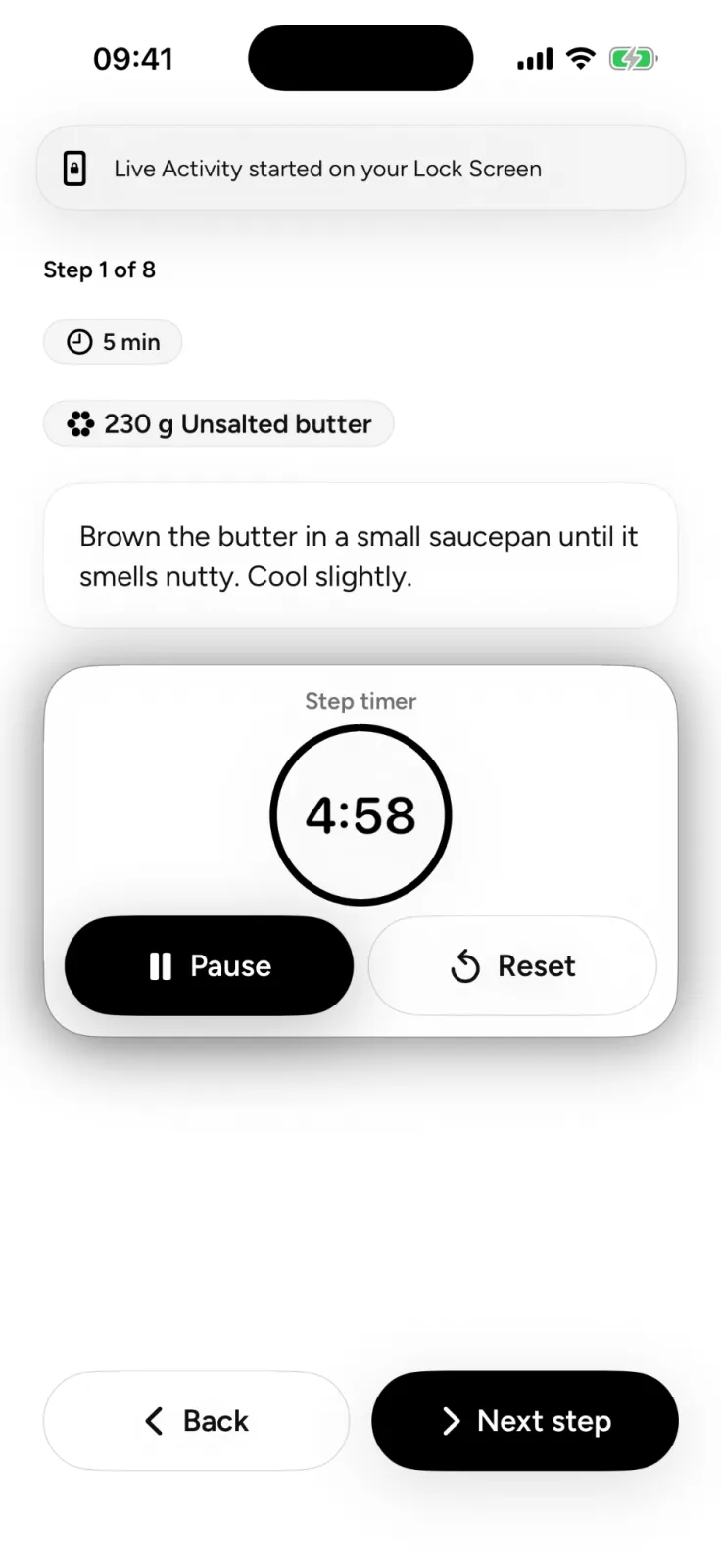
Then keep that number where you cook. Egg timing usually sits inside a bigger recipe, such as ramen eggs or an egg curry. If that recipe lives in Plate, Cook Mode shows one step at a time with a step timer and keeps the screen on while it's open.
Should you start eggs in cold or boiling water?
Start in boiling water when you want a precise soft or jammy yolk, and in cold water when you're hard-boiling a batch. The cold start is gentler. N.C. Cooperative Extension says eggs "should never actually be boiled," because "boiling tends to overcook the egg which leads to rubbery whites." That's why its method turns the heat off once the water boils.
For a hot start, lower the eggs in gently and keep the water at a gentle boil. Fill the ice bowl first: it's the same habit as mise en place, setting up the next step before the heat is on. Air fryers and pressure cookers can cook eggs too, but follow the machine's manual for times.
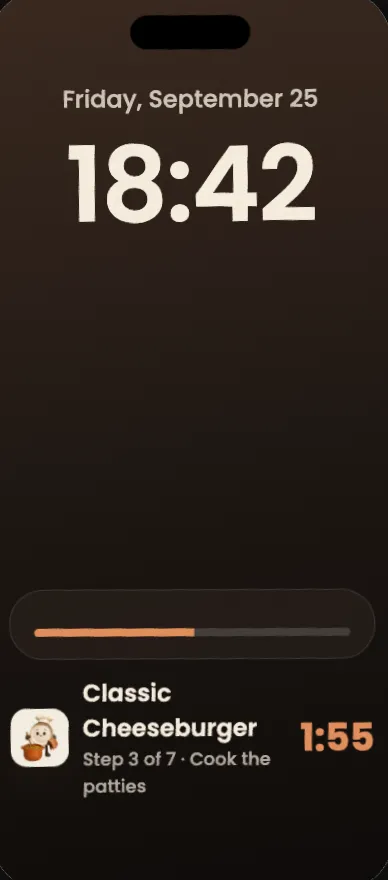
Whichever method you pick, the timer matters more than the pan. In Plate, the step timer also runs as a Live Activity on your Lock Screen, so you can lock the phone and still see the countdown. If your screen keeps dimming at the stove, see our guide to keeping your phone screen on while cooking.
Why do egg size, fridge temperature and altitude change the time?
A bigger or colder egg needs longer for heat to reach the yolk, and at altitude water boils at a lower temperature, so everything cooks more slowly. Change any of the three and you'll need to adjust.
Egg size. A US large egg isn't a UK large egg. US sizes set a minimum weight per dozen, according to a University of Illinois Extension egg sizes handout, while the UK's retained egg marketing standards grade each egg:
| Size label | Weight rule |
|---|---|
| US large | At least 24 oz per dozen, about 57 g an egg |
| UK and EU medium (M) | 53 g up to 63 g |
| UK and EU large (L) | 63 g up to 73 g |
So a US large egg weighs about the same as a UK medium. With UK or European large eggs, start at the top of each range in the chart.
Fridge-cold eggs and a full pan. Cold eggs take a little longer and cool the water as they go in. The more eggs, the bigger the drop. Keep eggs in the fridge, as the FDA advises, and use a pan wide enough for a single layer.
Altitude. New Mexico State University's High-Altitude Cooking guide says water boils at 212°F (100°C) at sea level, about 1°F lower for every 500 feet, and at about 202°F (94°C) at 5,000 feet. It says the traditional 3-minute soft-boiled egg may take 5 to 6 minutes at high elevations.
How do you avoid the green ring and peel eggs easily?
The green-gray ring around a hard-boiled yolk comes from overcooking. University of Arkansas extension advice on boiled eggs without the green ring says sulfur from the white reacts with iron from the yolk. It's harmless, just dull-looking. Don't go past your hard-boiled time, and cool the eggs in ice water straight away.
For easier peeling, the same extension guides suggest:
- Skip the freshest eggs. N.C. Cooperative Extension passes on advice to buy eggs a week to 10 days ahead, because older eggs take in air that loosens the membranes.
- Peel soon after the ice bath, while the egg has contracted slightly in its shell.
- Tap it all over, then roll it between your hands.
- Start at the large end, under cold running water.
- Don't pierce the shell. Piercing often leaves hairline cracks that make the egg more vulnerable to bacteria.
Are soft-boiled and runny eggs safe to eat?
This is general food safety information, not medical advice; if you're pregnant, immunocompromised or feeding a baby, follow your doctor or midwife.
The answer depends on where you live and who's eating. The FDA's What You Need to Know About Egg Safety says: "Cook eggs until both the yolk and the white are firm." For raw or undercooked egg dishes, it recommends pasteurized eggs or egg products, and it names children, older adults, pregnant women and people with weakened immune systems as at greater risk.
In the UK, the NHS page on foods to avoid in pregnancy says hen eggs with the red British Lion stamp, or from the Laid in Britain scheme, can be eaten raw or with a runny yolk before their use-by date. (Our guide to best before and use by dates explains those labels.) The FSA's home food fact checker extends this to young children and older people, but not to people who are severely immunocompromised. Its Salmonella risk profile dates the change to 2017.
Eating out is the exception. In August 2026, officials linked a Salmonella outbreak in England to imported eggs. The UK Health Security Agency's outbreak update quotes the FSA: "when eating out the safest approach for vulnerable people is to ensure they're thoroughly cooked." In September it said it was "too early to say if the outbreak is subsiding," so check the FSA's latest advice first.
Egg is also a common allergen; for guests, see how to cook for someone with food allergies.
How long do boiled eggs keep in the fridge?
Hard-boiled eggs keep for up to a week. The FDA says to "use or eat hard-cooked eggs (in the shell or peeled) within 1 week after cooking," to refrigerate at 40°F (4°C) or below, and never to leave cooked eggs out for more than 2 hours. N.C. Cooperative Extension adds that peeled eggs are best eaten the same day, so keep the shells on the ones you're saving. For everything else, see how long leftovers last in the fridge.
FAQ
How long do you boil an egg for a runny yolk?
About 6 minutes for a large egg lowered into boiling water, then straight into ice water. That gives a set white and a liquid yolk for dipping. Size matters too, so a smaller egg needs a little less time. At high altitude, New Mexico State University says a traditional 3-minute egg may take 5 to 6 minutes.
How long do you boil an egg from cold water?
For hard-boiled eggs, cover them with about an inch of cold water, bring it to a boil, turn off the heat, cover and let them stand. N.C. Cooperative Extension gives 9 minutes for medium eggs, 12 for large and 15 for extra-large. For soft or jammy yolks, a boiling-water start is easier to time.
Can you eat a soft-boiled egg when pregnant?
In the UK, the NHS says yes for British Lion or Laid in Britain hen eggs eaten before their use-by date. In the US, the FDA advises cooking eggs until the yolk and white are firm, or using pasteurized eggs for runny dishes. If you're severely immunocompromised, follow your own medical advice.
Why are my hard-boiled eggs hard to peel?
Usually because they're very fresh. Extension advice says older eggs take in air through the shell, which helps the membranes come away. Cool the eggs in ice water, tap the shell all over, roll it between your hands and peel from the large end under cold running water. Don't pierce the shells first.
Get started
Tonight, try one test batch: four eggs, four times, one bowl of ice water. Then keep your number with the recipes that use it. Plate is free to start on the App Store, the Plate page shows how it turns photos, links, videos and paper recipes into a cookbook, and more kitchen guides are in the Plate category.