AuraMood journal7 min read
How to start a mood journal: prompts, habits and patterns
How to start a mood journal in a few minutes a day: what to write, simple prompts, how often to journal, and how to spot patterns in your moods over time.
To start a mood journal, pick a set time each day, name how you feel in one to three words, rate the intensity, and write a sentence or two about what happened. Keep it short enough to repeat daily. After a few weeks, look back for patterns in sleep, people, places and days of the week.
That is the whole method. The rest of this guide covers what to write, prompts for days when nothing comes, how often to do it, and how to turn a month of entries into something you can learn from. We built the same habit into Aura, our mood journal for iPhone, and the advice here works on paper too.
How do you start a mood journal?
A mood journal is a short, regular record of how you feel and why. Start by choosing a moment you already have every day, such as after dinner or just before bed, so the habit attaches to something. Each entry needs only four things: the date, one to three mood words (for example "calm, tired" or "anxious, hopeful"), a rough intensity from one to five, and a sentence about what happened. Naming several moods matters, because most days are mixed. Keep the bar low: a thirty-second entry you write every day beats a long one you write once a month. Do not edit yourself or worry about spelling; the journal is for you. After two to four weeks, read back through your entries and look for repeats: moods that cluster on certain days, after certain people, or after poor sleep. Those patterns are the reason to keep going.
Why keep a mood journal?
Writing down feelings is one of the simplest self-reflection tools there is, and it has some research behind it.
- Naming a feeling can take the edge off it. A UCLA brain-imaging study published in Psychological Science found that when people labeled the emotion in a picture with a word like "angry", activity in the amygdala, part of the brain's alarm system, went down. The researchers call this affect labeling.
- Writing about emotional events can help. A review in Advances in Psychiatric Treatment, Emotional and physical health benefits of expressive writing, describes studies where people wrote about stressful or emotional events for 15 to 20 minutes on three to five occasions, and generally had better physical and psychological outcomes than people who wrote about neutral topics.
- It shows you patterns you would otherwise miss. The University of Rochester Medical Center's guide to journaling for emotional wellness says journaling can help you prioritize problems, fears and concerns, track symptoms day to day so you can recognize triggers, and identify negative thoughts and behaviors.
A mood journal is a tool for self-reflection, not a treatment. If low mood lasts for weeks or starts to affect your daily life, please talk to a doctor or a mental health professional.
What should you write in a mood journal?
You can keep entries very small. Here is a simple template, with an example of each part:
| Part of the entry | What to write | Example |
|---|---|---|
| Date and time | When you are writing | Tuesday, 21:40 |
| Moods | One to three words | Restless, hopeful |
| Intensity | A number from 1 to 5 | 3 |
| What happened | One or two sentences | Long meeting, then a good walk home |
| Body | Sleep, energy, food, movement | Slept six hours, skipped lunch |
| One thing to remember | A small detail from the day | The light on the river at five |
The "body" line is the one people skip and later wish they had. Sleep, food and movement explain a surprising number of mood swings, and you can only see that link if you wrote it down.
Build a mood vocabulary
"Fine", "good" and "bad" do not tell you much when you read them back. Try to use more specific words: calm, content, grateful, proud, energized, focused, restless, anxious, irritable, lonely, drained, numb. A wider vocabulary makes your entries more honest and your patterns easier to see. This is also why Aura offers 28 moods to choose from rather than a simple smiley scale.
If you like thinking in colors, you can even give each mood a color. Our guide to aura colors meaning lists the traditional associations, from calm blue to energetic red.
Mood journal prompts for days when nothing comes
Some days the page stays blank. These prompts help:
- What is the strongest feeling I have right now, and where do I notice it in my body?
- What took energy from me today, and what gave some back?
- When did I feel most like myself today?
- What am I worrying about, and is it something I can act on?
- Who did I talk to today, and how did I feel afterward?
- What would I tell a friend who had the day I just had?
- What is one small thing that went well?
- What am I looking forward to this week?
- If today had a color, what would it be, and why?
- What do I need more of tomorrow: rest, people, movement or quiet?
Use one prompt per day. You do not need to answer all of them, and some days a single word is enough.
How often should you journal?
Daily is ideal, because moods change quickly and memory smooths them out. The University of Rochester guide puts it simply: try to write every day, and set aside a few minutes to do it. That does not mean writing a lot: a minute or two is plenty for a mood log.
If daily feels like too much, try a short check-in on weekdays and a longer reflection on the weekend. Longer writing has its own value. The expressive writing studies above used sessions of 15 to 20 minutes on a few occasions, so a weekly session of that length, about whatever is on your mind, is a good addition to quick daily entries.
Missed a day? Skip it and carry on. Do not try to reconstruct last week from memory; the gaps are part of the record.
How do you spot patterns in your moods?
Patterns are where a mood journal pays off. Once a week, or once a month, set aside ten minutes to read back:
- Count your moods. Which three moods came up most? Seeing "anxious" eight times in a month is different from feeling vaguely stressed.
- Look at the days of the week. Many people find a reliable dip on a certain weekday, often the day with the most meetings or the least sleep.
- Match moods with the body line. Compare low days with your notes on sleep, food and movement.
- Check people and places. Notice who and where shows up on your best and worst days.
- Write one conclusion. Finish with a single sentence: "I feel better on days I walk outside" is enough. Then test it next month.
Paper notebook or mood journal app?
Both work. Paper is private and slow in a good way. An app is always in your pocket and does the counting for you. Choose the one you will actually open.
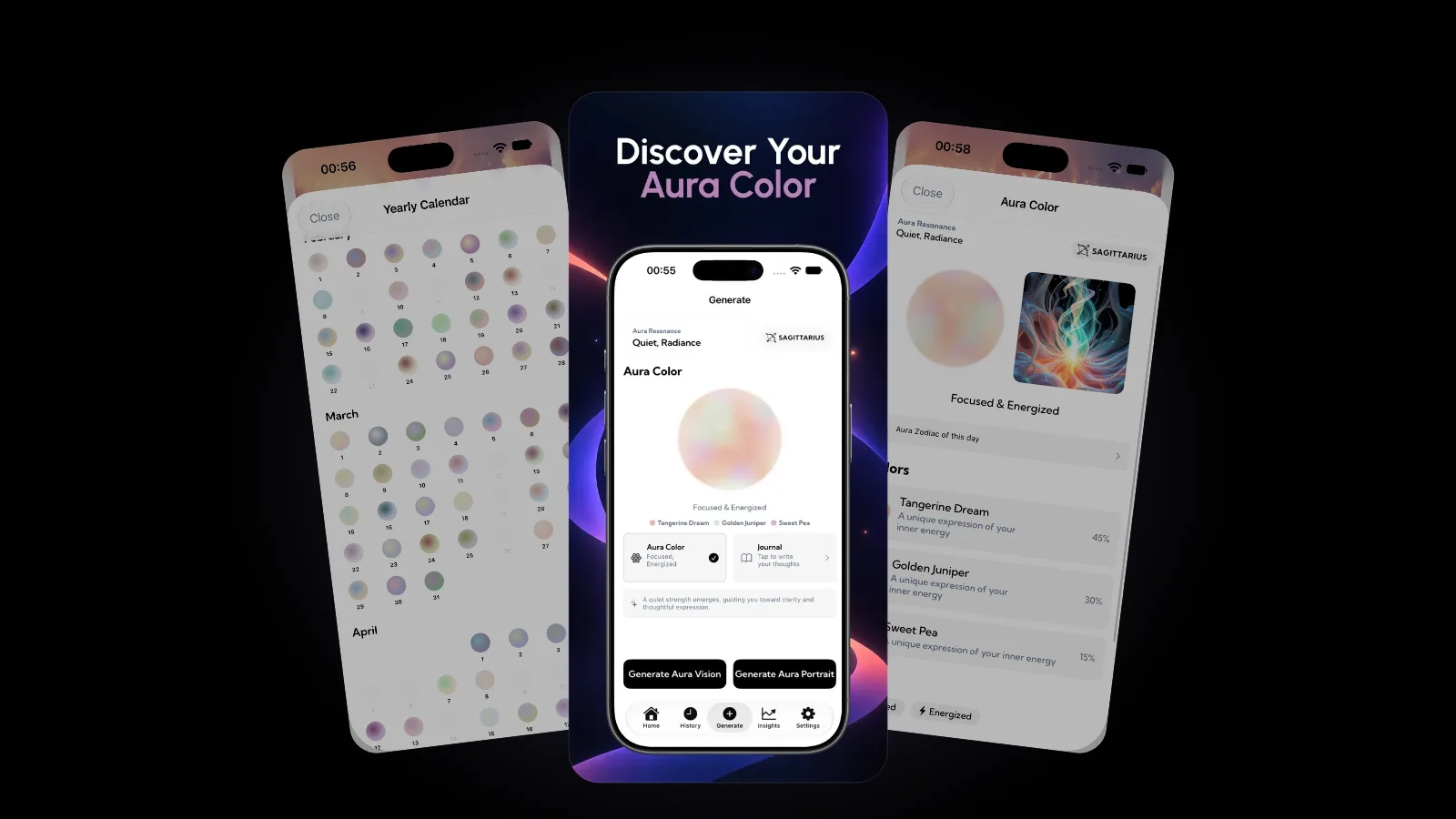
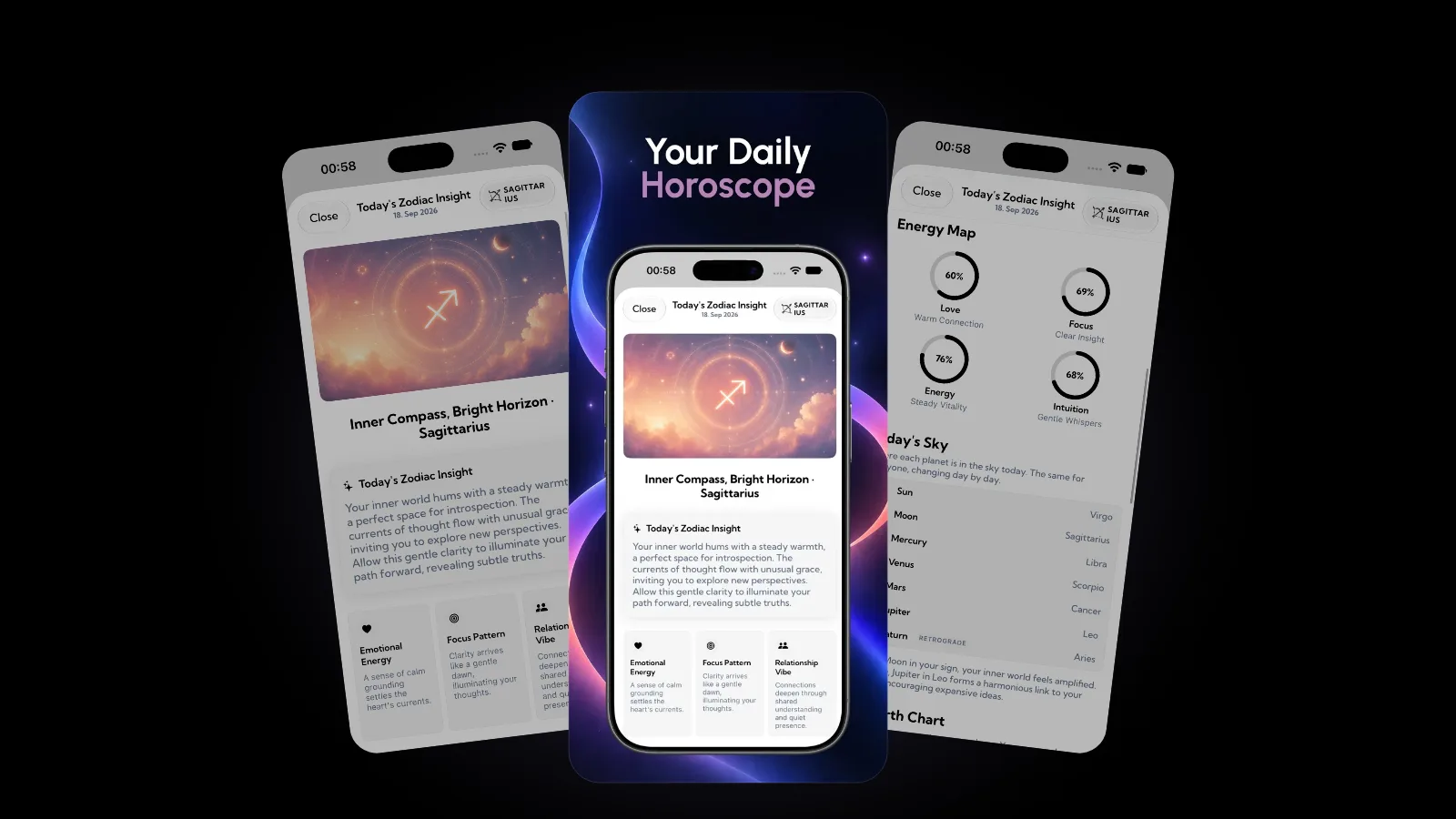
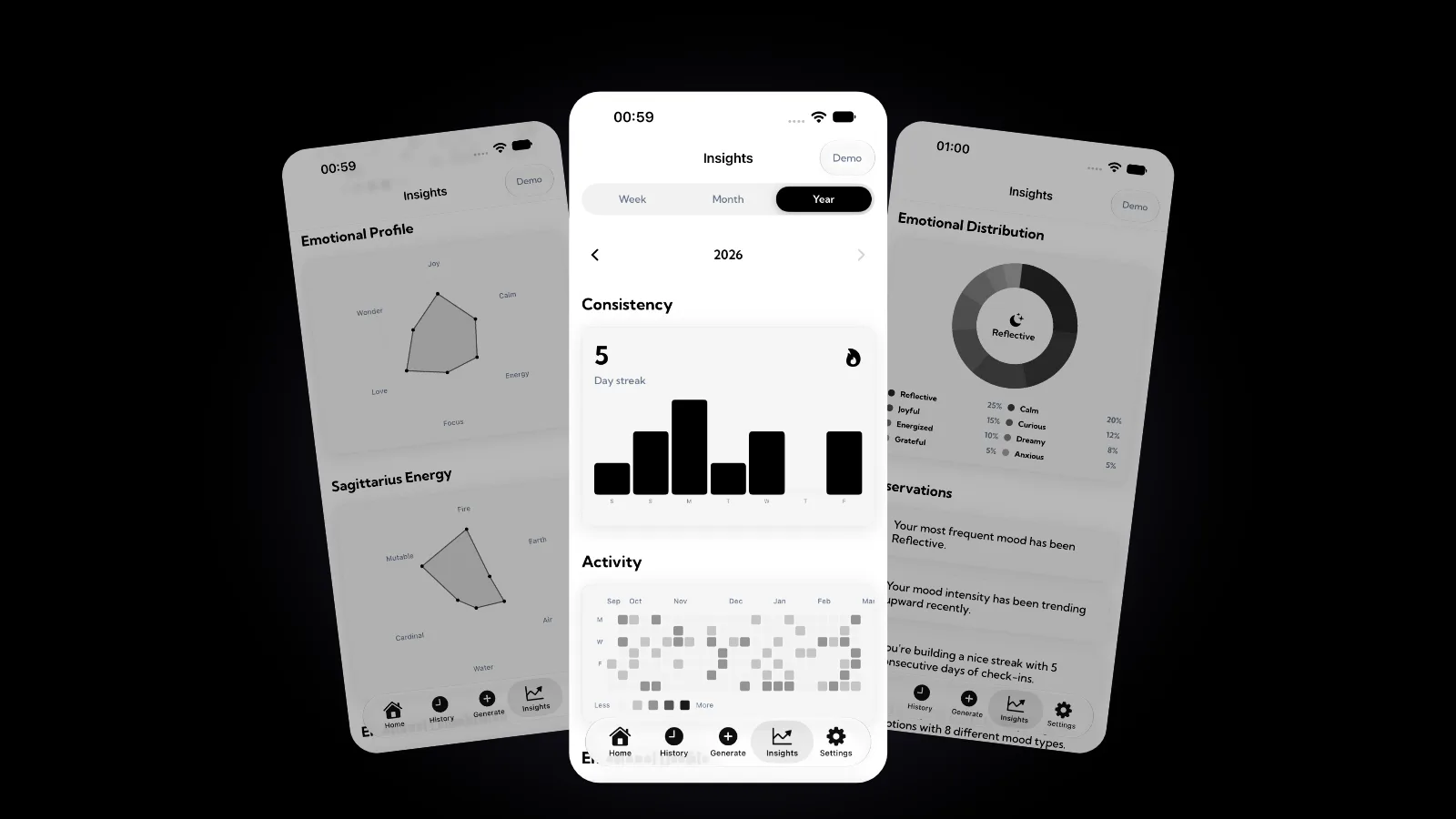
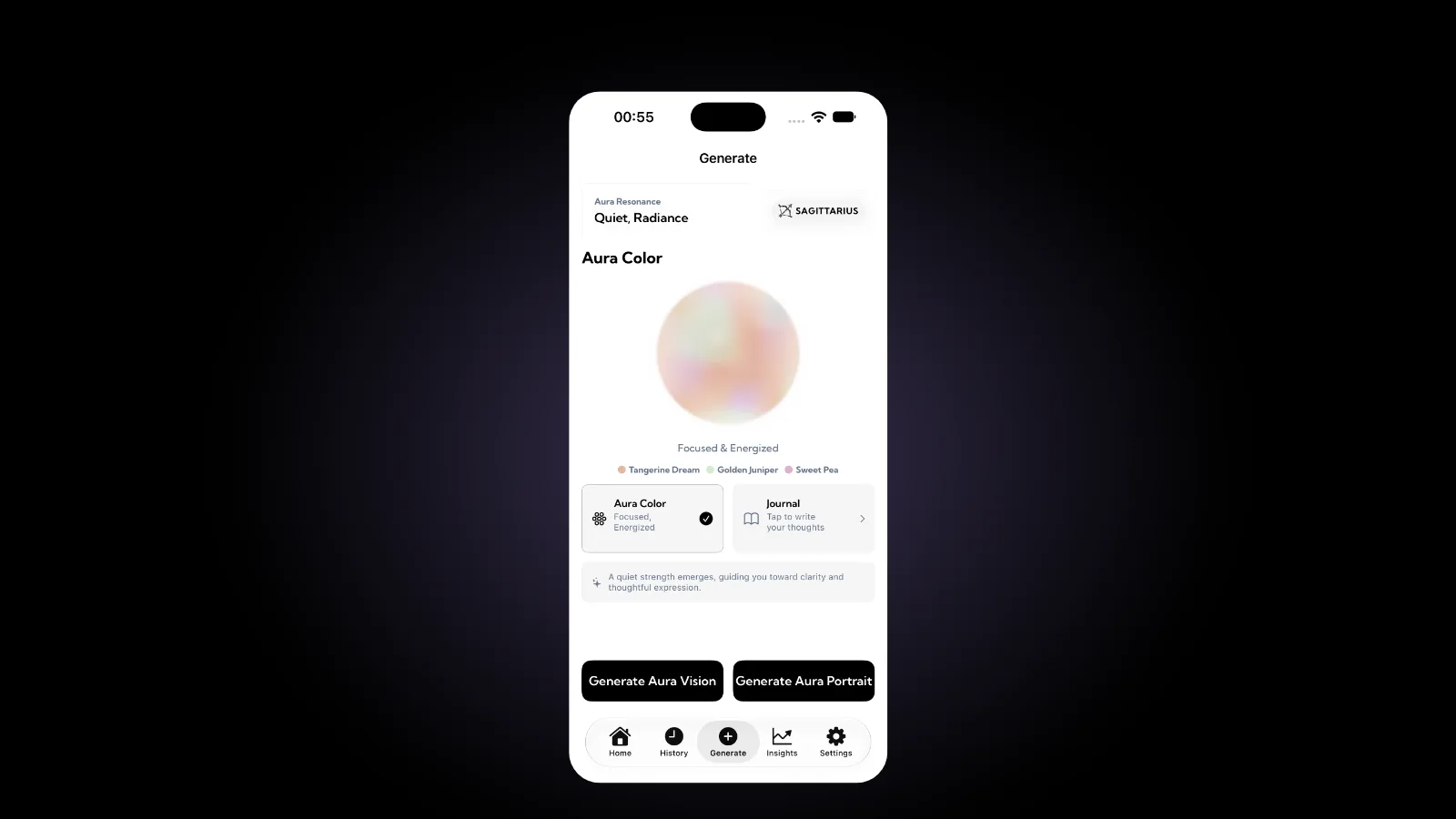
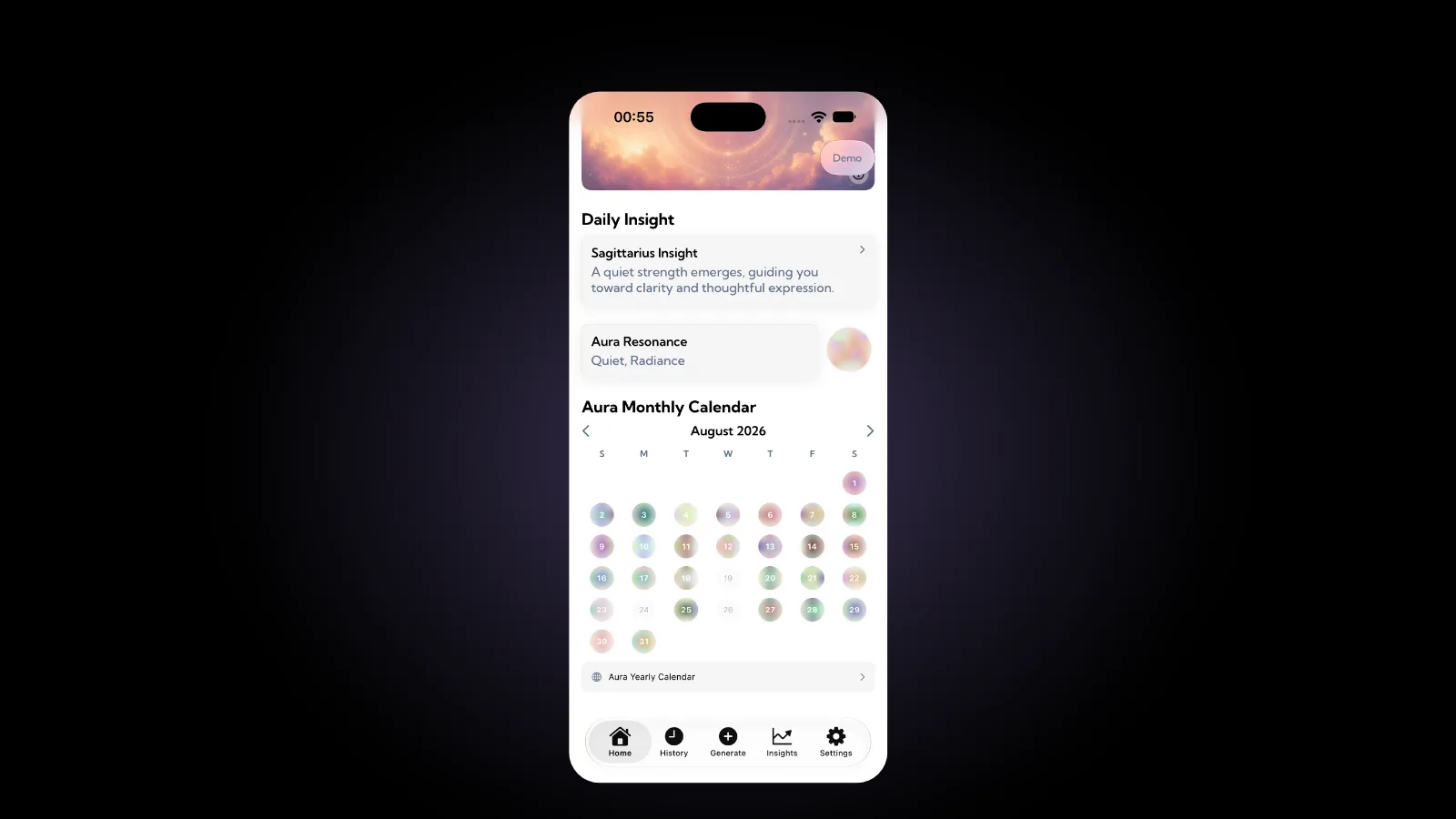
In Aura, you choose from 28 moods, pick up to three at once, and add a journal entry to capture the moment. The app builds a timeline of your inner life so you can spot patterns across days, weeks and months, and its charts show your most frequent moods, your streaks and how your energy shifts over time. No account is needed, your mood history and journal are stored on your device, and your data is never sold. If you enjoy astrology, Aura can also add a daily reading; our beginner's guide to sun, moon and rising signs explains how that side works.
More guides like this live in the Aura category of our blog.
FAQ
What is the difference between a mood journal and a diary?
A diary records what happened. A mood journal focuses on how you felt and why, usually in a short, repeatable format, so that you can compare entries and see patterns over time.
How long should a mood journal entry be?
As short as you need. One to three mood words, an intensity score and a sentence about the day are enough for useful patterns. Write more when you want to, not because you have to.
What if I keep writing the same mood every day?
That is useful information. Try more specific words, add the intensity and the body line, and look at what is around that mood. If a low mood stays for weeks, talk to a doctor or a mental health professional.
Can a mood journal replace therapy?
No. A mood journal is a self-reflection habit. It can be a helpful thing to bring to a therapist or doctor, but it is not a substitute for professional care.
Start tonight
Pick a time, write three words and one sentence, and do it again tomorrow. If you want a mood journal that turns each check-in into color and art, Aura is free to download on the App Store, with an optional Aura Pro subscription.