SunDoseSunburn9 min read
How to treat sunburn: fast relief and when to get help
How to treat sunburn with NHS and AAD advice side by side: cooling, pain relief, blisters, a day-by-day timeline and the signs that mean you need a doctor.
To treat sunburn, get out of the sun and cool the skin with a cool shower, bath or damp towel. Then apply aftersun or an unperfumed moisturiser, take ibuprofen or paracetamol if it hurts, drink extra water and leave any blisters alone. The NHS says sunburn usually gets better within 7 days.
Below, we put the NHS and American Academy of Dermatology (AAD) checklists side by side, show where they differ, and add a day-by-day timeline and the red flags that mean you need a doctor. At the end, we show how SunDose can remind you about after-sun care. This is general information, not medical advice.
What should you do right after a sunburn?
Get out of the sun first, then cool the skin. The NHS advises a cool shower, bath or damp towel, taking care not to let a baby or young child get too cold. The American Academy of Dermatology suggests cool baths or showers, then a moisturizer with aloe vera or soy while the skin is still damp. For pain, the NHS names paracetamol or ibuprofen, and the AAD names aspirin or ibuprofen to ease swelling and discomfort. Both say to drink extra water, and the NHS adds that you should avoid alcohol. Keep the burned skin covered from direct sun until it has healed. Cancer Research UK's July 2026 myth-busting article is blunt: once you notice signs of burning, seek shade, cover up and don't spend more time in the sun that day, even with sunscreen. MedlinePlus says the full effect may not show for 24 hours or longer, so start this care straight away, even if your skin looks fine.
Here is how the two official checklists compare, from the NHS sunburn page and the AAD's How to treat sunburn:
| Step | NHS | AAD |
|---|---|---|
| Cool the skin | Cool shower, bath or damp towel | Cool baths or showers, then pat dry |
| Moisturise | Aftersun or an unperfumed moisturiser | Moisturizer with aloe vera or soy, on damp skin |
| Pain relief | Paracetamol or ibuprofen | Aspirin or ibuprofen |
| Fluids | Drink water and avoid alcohol | Drink extra water to help prevent dehydration |
| Blisters | Do not pop them | Do not pop them; protect them with petroleum jelly |
| Petroleum jelly | Do not use it on sunburnt skin | Suggested for blisters only |
| Covering up | Keep the skin out of direct sun until it heals | Seek shade and wear sun-protective clothing |
Where do the NHS and AAD disagree?
The first difference is petroleum jelly. The NHS says not to use it on sunburnt skin, and MedlinePlus, the US National Library of Medicine's health site, says in its Sunburn article not to use butter, petroleum jelly or other oil-based products. The AAD suggests it only to protect blisters while they heal. If you are unsure, the NHS says you can ask a pharmacist about the best sunburn treatments.
The second is aspirin. The AAD lists it, but the NHS page on aspirin for pain relief says not to give it to children aged 15 or under, because in rare cases it can cause Reye's syndrome. MedlinePlus also says not to give aspirin to children.
What helps sunburn pain at home?
Cooling, moisturising, a painkiller and water are the core of every official checklist. MedlinePlus says pain is worst between 6 and 48 hours after sun exposure, so the first two days are when relief matters most:
- Cool it down. Take a cool shower or bath, or lay clean, cool, wet washcloths on the burn, as MedlinePlus suggests.
- Moisturise. The AAD suggests a moisturizer with aloe vera or soy, or calamine lotion; the NHS suggests aftersun or an unperfumed moisturiser.
- Take a painkiller if you need one. Ibuprofen or paracetamol (acetaminophen in the US) can relieve the pain, and MedlinePlus says cortisone creams may help reduce inflammation.
- Drink more water. The AAD explains that sunburn draws fluid to the skin's surface, so extra water helps prevent dehydration.
- Dress loosely. MedlinePlus recommends loose cotton clothing.
Can aftersun undo the damage? No. The same Cancer Research UK article says aftersun products may soothe sunburn but won't fix any damage done to the DNA inside your cells.
What should you avoid on sunburned skin?
Some common habits make a burn worse. The NHS lists most of these, and MedlinePlus adds the rest:
- Ice or ice packs. The NHS says not to use them; cool water is enough.
- Petroleum jelly, butter and oils on the burn itself.
- Creams with benzocaine or lidocaine, according to MedlinePlus.
- Popping blisters, which all three sources warn against.
- Scratching or pulling off peeling skin.
- Tight clothes over the burned area.
- Alcohol. Drink water instead.
- More sun before the skin has healed.
What if your sunburn blisters or peels?
Blisters mean a deeper burn. The AAD says blistering skin means you have a second-degree sunburn, and the NHS lists blistered or swollen skin as a reason to ask for an urgent GP appointment or call NHS 111. MedlinePlus says not to pick at or peel away the top of a blister, and that dry bandages may help prevent infection. Cleveland Clinic adds, in What is sun poisoning?, that bleeding or oozing means you should see a doctor immediately, as it could be a sign of infection.
The NHS says sunburnt skin may peel a few days after the burn. Let it come away on its own and keep moisturising.
Sunburn doesn't always look red. The NHS notes that on darker skin the colour change may be hard to notice, and Cancer Research UK's page on how the sun and UV cause cancer says darker skin may feel irritated, tender or itchy instead.
How long does a sunburn last?
According to the NHS, sunburn usually gets better within 7 days. The worst comes early: MedlinePlus says the first signs may not appear for a few hours, and the full effect may take 24 hours or longer. Here is the usual course, using only the timings these two sources give:
| When | What usually happens | Source |
|---|---|---|
| Day 0: first few hours | Signs may not have appeared yet, even if you burned | MedlinePlus |
| Days 0 to 2: 6 to 48 hours after | Pain is at its worst | MedlinePlus |
| Day 1 onward: 24 hours or more after | The full effect on the skin shows | MedlinePlus |
| Hours to days after | Blisters can develop after a severe burn | MedlinePlus |
| A few days after | Skin may start to peel | NHS, MedlinePlus |
| By day 7 | Usually better | NHS |
If your skin is not settling, the NHS says you can ask a pharmacist about treatments and whether you need to see a GP.
When is a sunburn serious enough to see a doctor?
The NHS says to ask for an urgent GP appointment or call NHS 111 if, after time in the sun, you have any of these:
- Blistered or swollen skin
- A very high temperature, or you feel hot, cold or shivery
- Feeling very tired, dizzy or sick
- A headache
- Muscle cramps
- Sunburn in a baby or young child (call 111 for advice about any child under 5)
Severe sunburn can also lead to heat exhaustion and heatstroke. The NHS heat exhaustion and heatstroke page calls heatstroke a medical emergency: call 999, or your local emergency number, for signs such as a very high temperature, hot skin that's not sweating, fast breathing, confusion, a seizure or loss of consciousness.
What about "sun poisoning"? Cleveland Clinic says it isn't a formal medical term. MedlinePlus describes severe reactions, sometimes called sun poisoning, including fever, chills, nausea or rash. In other words, a severe burn with whole-body symptoms. MedlinePlus says to contact a provider right away if you have a fever with sunburn, feel faint or dizzy, have a rapid pulse or breathing, or have severe, painful blisters.
How do you avoid the next sunburn?
Burns add up. Cancer Research UK says getting sunburnt once doesn't mean you will definitely get skin cancer, but the more times you get sunburnt, the higher your risk. The NHS's sunscreen and sun safety advice covers the basics:
- Check the UV index, and protect your skin when it is 3 or higher.
- Spend time in the shade when the sun is strongest (in the UK, 11am to 3pm from March to October).
- Cover up with suitable clothing and sunglasses.
- Use at least SPF 30 with at least 4-star UVA protection, and reapply every 2 hours and after swimming, towel drying or sweating.
The AAD adds broad-spectrum, water-resistant sunscreen with SPF 30 or higher. For more, see how long it takes to get sunburned, whether you can burn on a cloudy day, medications that cause sun sensitivity and SPF 30 vs SPF 50.
Where does SunDose fit?
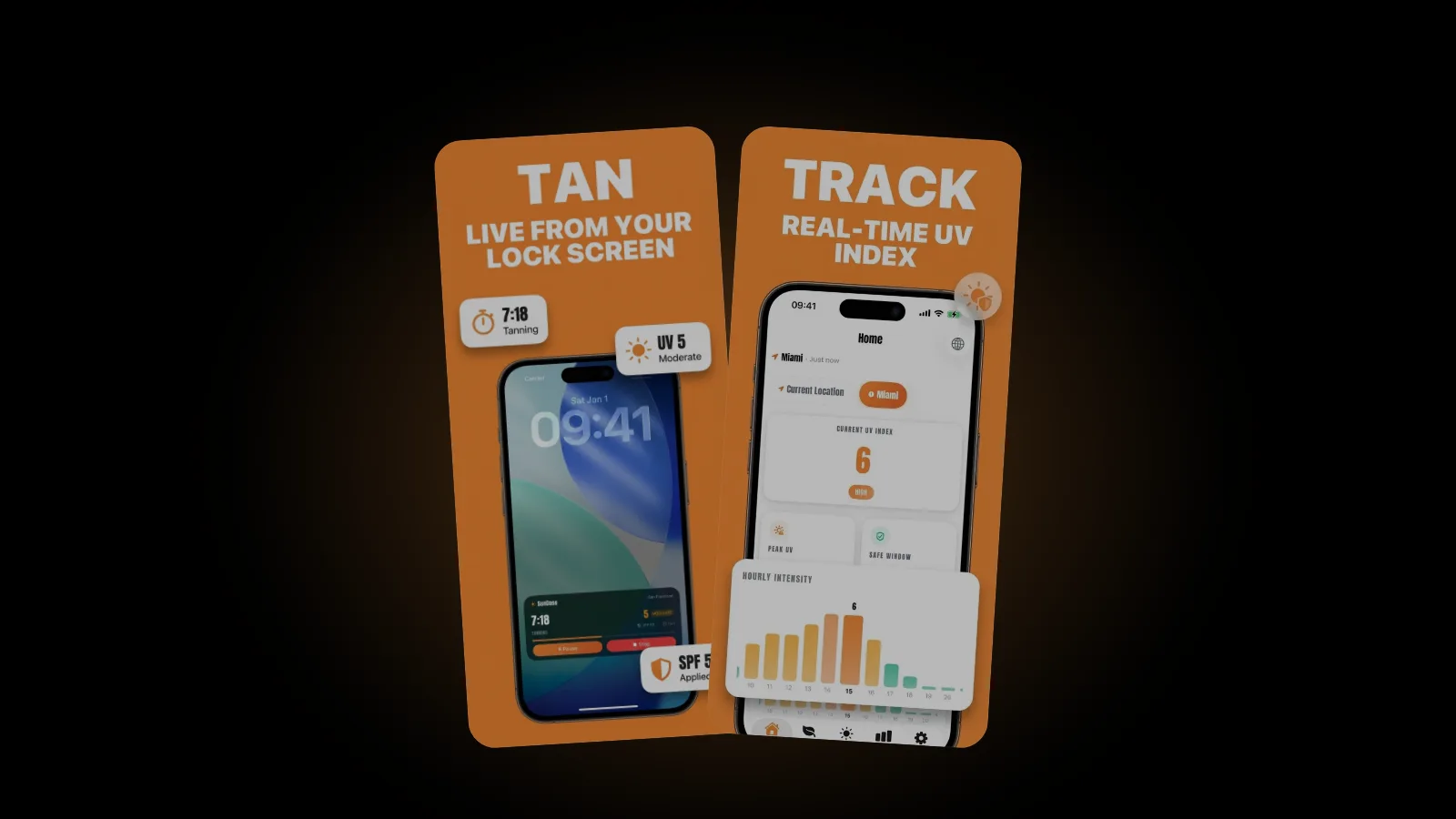
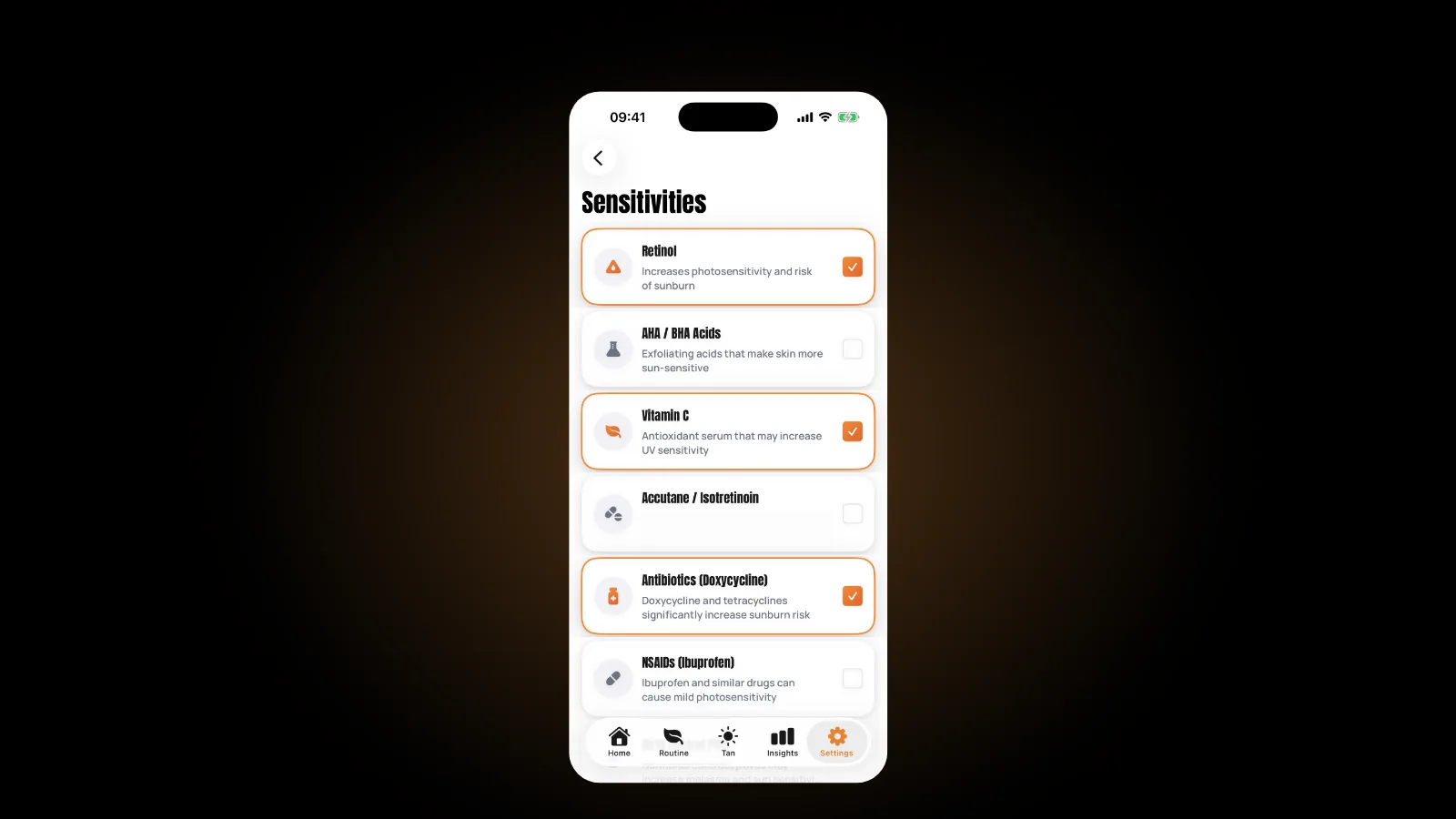
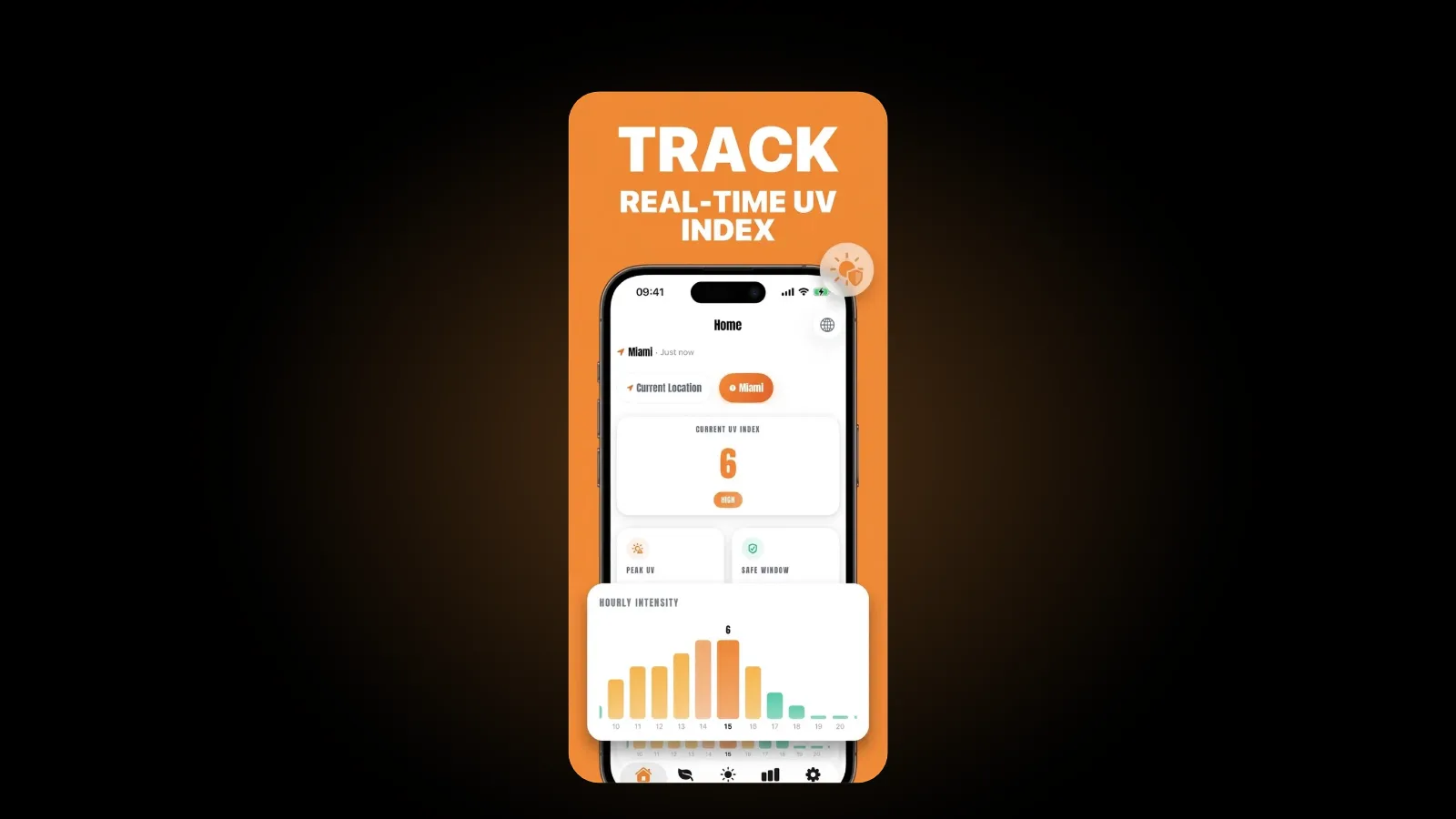
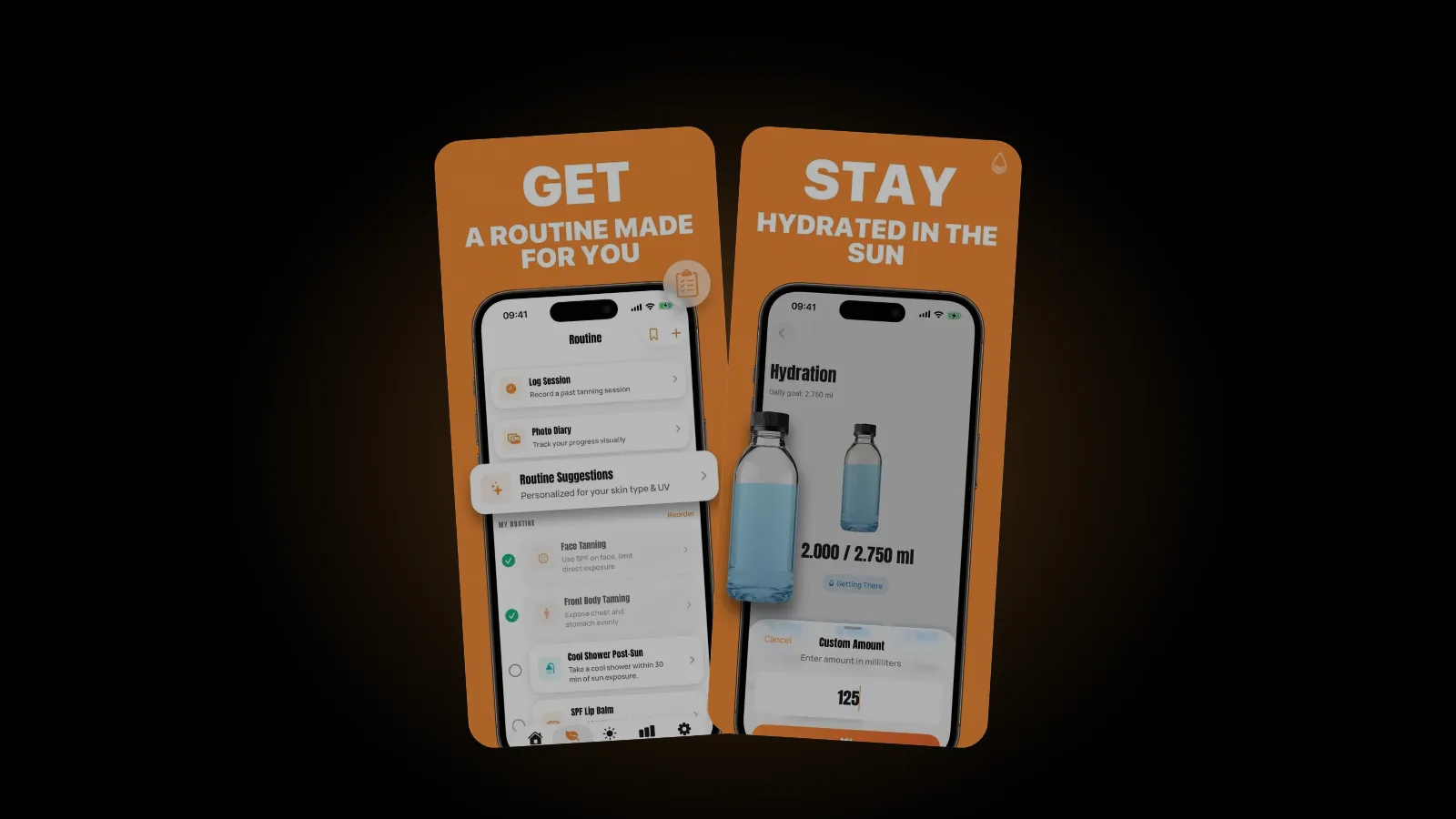
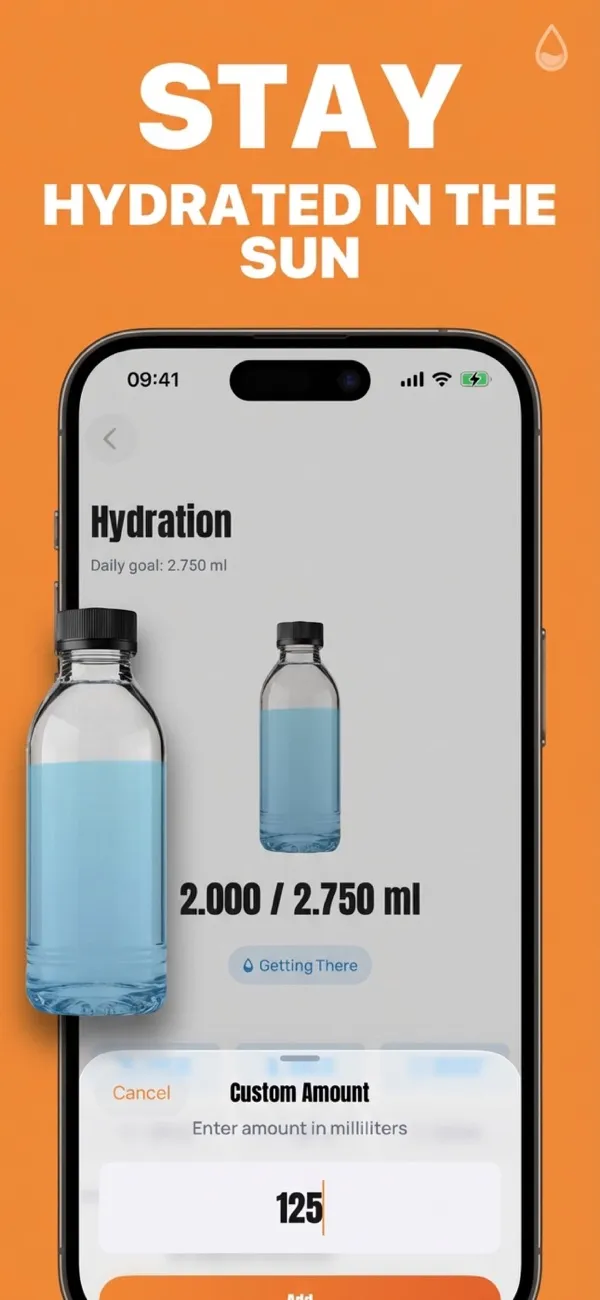
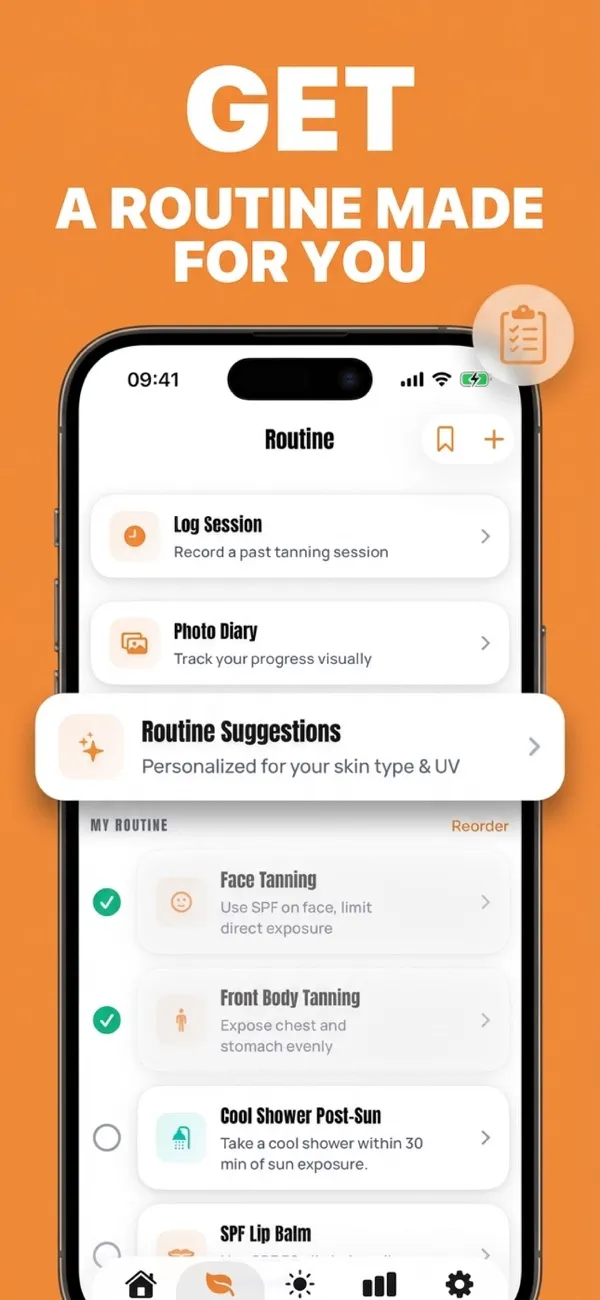
SunDose won't treat a burn or stop one happening, but it can help you remember the care around it. Its routine includes after-sun prompts, such as a Cool Shower Post-Sun item, and you can track water through the day. The live UV index and hourly forecast show when the sun peaks, reapply prompts run on your session clock, and flagged sensitivities, such as retinoids or doxycycline, shorten its suggestions. The Insights history shows your higher-risk days alongside total minutes and average UV. It records the reported UV and your time outside; it is not a dosimeter.
FAQ
Does aloe vera help sunburn?
The AAD recommends a moisturizer with aloe vera or soy, applied while the skin is still damp, and the NHS suggests aftersun or any unperfumed moisturiser. Either can soothe the skin, but Cancer Research UK says aftersun won't fix the DNA damage that sunburn causes.
Is sun poisoning the same as sunburn?
Sun poisoning isn't a formal medical term, according to Cleveland Clinic. People use it for a severe burn with symptoms such as fever, chills, nausea or rash, as MedlinePlus describes. Those symptoms are a reason to contact a doctor or NHS 111 promptly.
Should you pop sunburn blisters?
No. The NHS, AAD and MedlinePlus all say to leave them alone. The AAD says blistering means a second-degree burn, and the NHS lists blistered skin as a reason for an urgent GP appointment or a call to NHS 111.
Can you put ice on sunburn?
The NHS says not to use ice or ice packs on sunburnt skin. Use a cool shower, bath or damp towel instead, and take care not to let a baby or young child get too cold.
Get started
SunDose is free to download on the App Store, with optional premium tiers; the live UV index, hourly forecast and session timer work without a subscription. It runs on iPhone with iOS 26 or later. SunDose is a wellness app, not a medical device. See everything it does on the SunDose page or read more SunDose articles.