PlateRecipes9 min read
Copycat recipes: how to recreate a restaurant dish at home
How to make copycat recipes: photograph the plate, read the menu, use posted calories to spot hidden butter, then test and adjust until it tastes right.
To make a copycat recipe, gather every clue the restaurant gives you: a photo of the plate, the words on the menu, the posted calories and your own tasting notes. Turn the photo into a draft recipe, cook it once, compare it with the original, then adjust salt, fat and heat until your version tastes like theirs.
We make Plate, an AI recipe keeper for iPhone that turns a photo of a dish into a full recipe, so we think a lot about what a picture of a plate can and can't tell you. This guide covers the clues worth collecting at the table, why restaurant food tastes the way it does, how posted calories reveal hidden fat, and a simple loop for testing your version at home.
How do you make a copycat recipe of a restaurant dish?
A copycat recipe is a home version of a restaurant dish, rebuilt from evidence rather than from the chef's own notes. Start at the table. Photograph the plate from above and from the side, note every component you can see, and write down what you taste: salt, acid, sweetness, heat and richness. Copy the menu description too, because words like "brown butter", "charred" or "house-made aioli" name techniques. If the restaurant belongs to a large chain, look up its calorie and nutrition information. At home, turn the photo into a draft recipe with an app or by hand, then cook it once exactly as drafted. Taste it against your notes and change one thing at a time, usually salt, fat or heat, because that's where restaurant cooking differs most from home cooking. Two or three rounds are normal. Save the version that works, and write down what you changed so you can make it again.
What clues should you collect at the restaurant?
A plate carries more information than most people write down. Collect these before the food is gone:
| Clue | What it tells you | How to use it |
|---|---|---|
| Photo from above | Components, proportions, garnish | Turn it into a draft ingredient list |
| Photo from the side | Layers, sauce depth, how thick things are cut | Set portion sizes and knife work |
| Menu description | Named techniques and key ingredients | Look up each technique before you cook |
| Your tasting notes | Salt, acid, sweetness, heat, texture | Your checklist when you taste your version |
| Posted nutrition | Calories, fat and sodium at large chains | A check on how much butter, oil and salt went in |
| Your server | The main parts of a sauce or marinade | Ask politely; many will name the basics |
The photo does the heavy lifting. Our guide to photo to recipe covers how to shoot a dish so an app reads it well, and what a camera can't see.
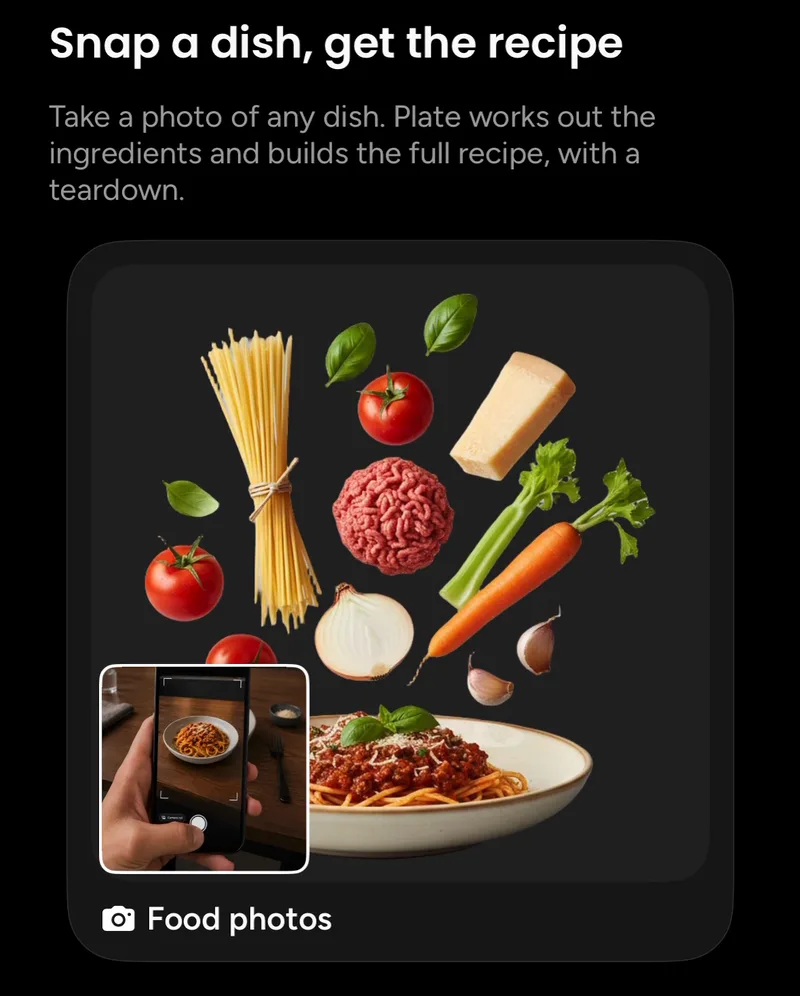
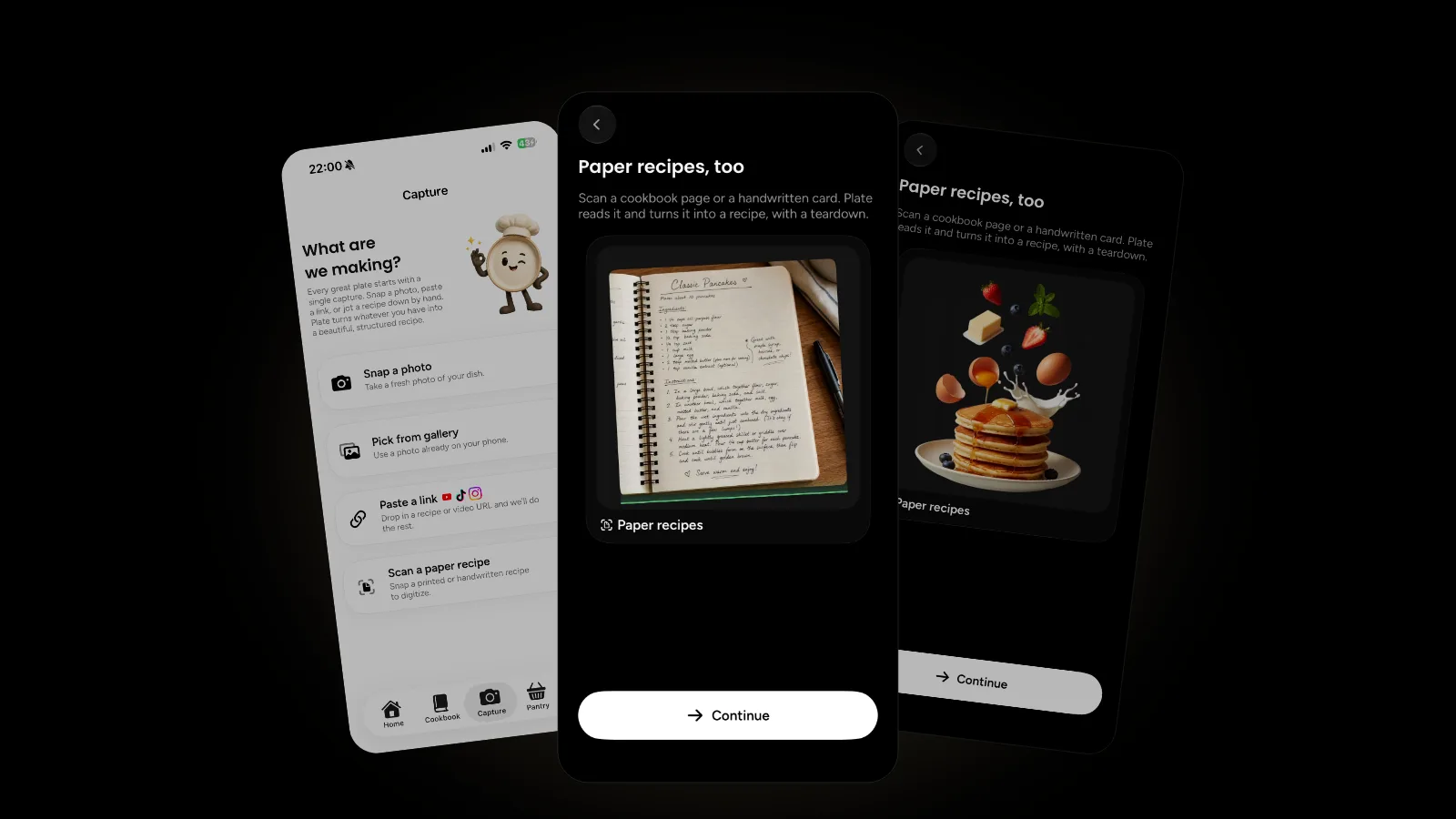
In Plate, you snap the dish at the table, or pick the photo from your gallery later. Plate identifies the ingredients and writes a structured recipe with quantities, steps and estimated nutrition, and you see the whole recipe before it's saved. Your first recipe generation is free; Plate Pro adds unlimited AI recipes from photos, links and paper scans.
Why does restaurant food taste better than homemade?
Mostly because of salt, fat and heat, used with more confidence than most home cooks allow themselves. The FDA's Sodium in Your Diet page says over 70% of dietary sodium comes from eating packaged and prepared foods, and that Americans eat about 3,400 mg of sodium a day on average, against a Daily Value of less than 2,300 mg.
Here's what a professional kitchen tends to do differently, and how to copy it at home:
- Seasons at every stage. Salt goes into the pasta water, the sauce and the finished plate. Season in layers and taste each time.
- Finishes with fat. A knob of butter swirled into a sauce at the end makes it glossy.
- Cooks hot. Preheat the pan longer and cook in smaller batches, so food browns instead of steaming.
- Preps ahead. Stocks and sauces are made in advance; a sauce made the day before closes much of the gap.
- Adds acid last. A squeeze of lemon or a handful of herbs just before serving wakes a dish up.
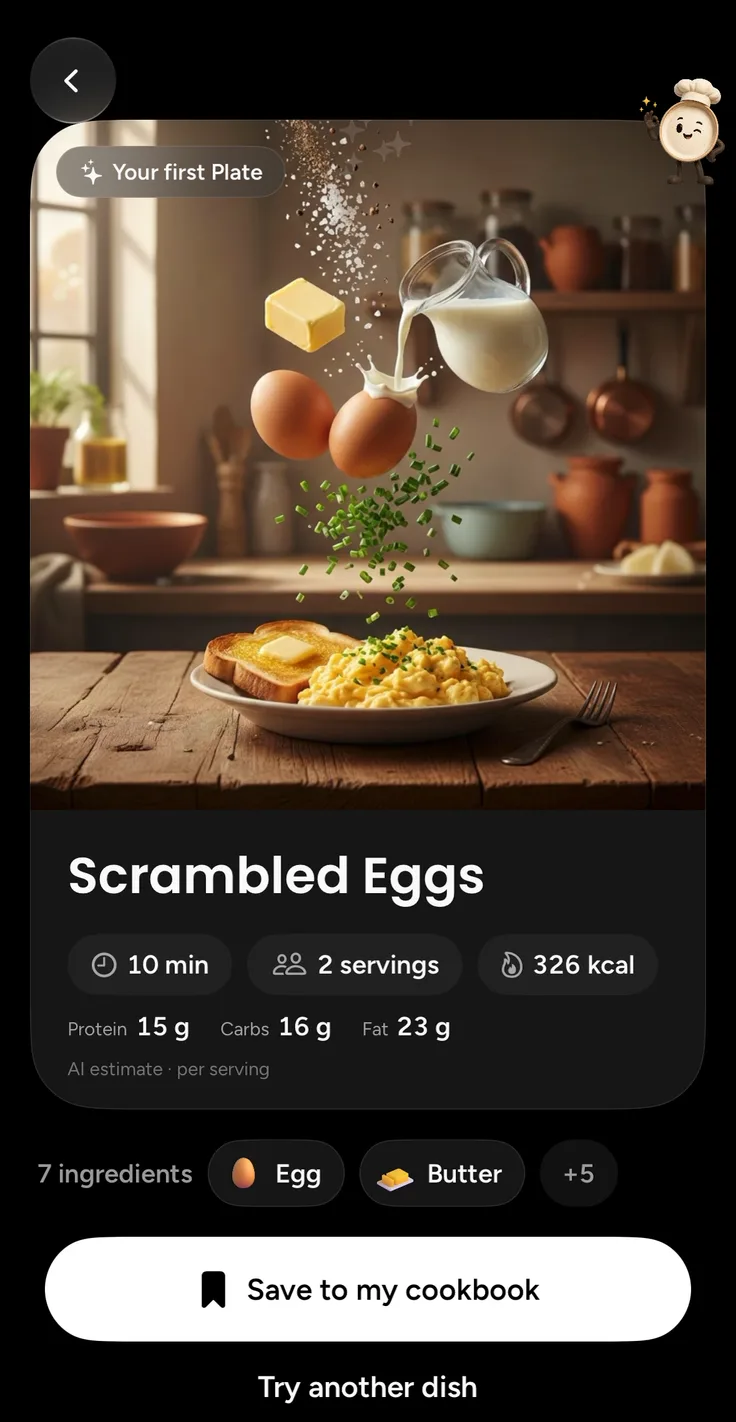
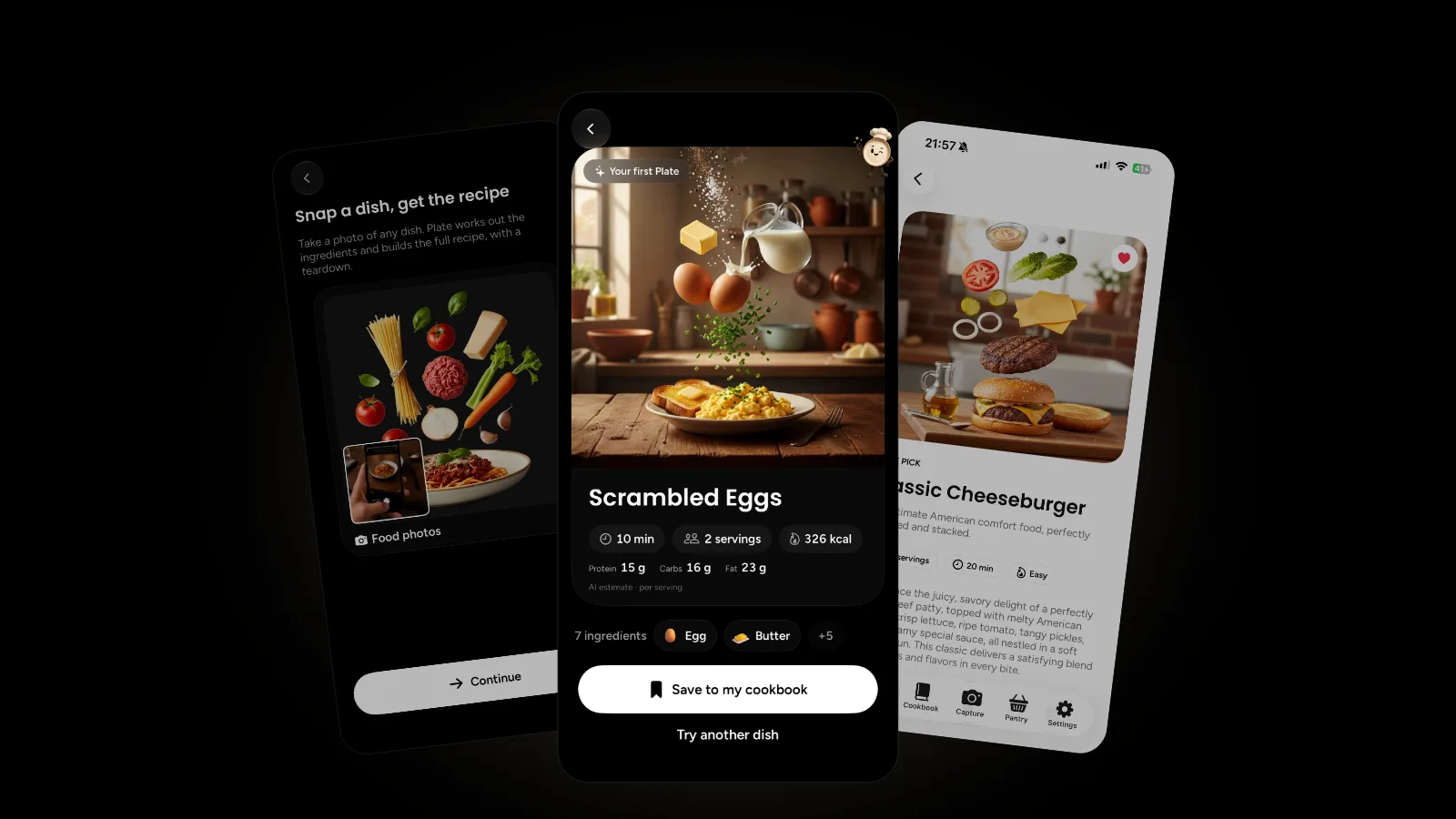
Run the numbers on the eggs above. The USDA's Food and Nutrition Information Center says fat provides 9 calories per gram, so 23 g of fat accounts for about 207 of the 326 calories in a serving, close to two thirds. When a restaurant breakfast tastes richer than yours, butter is the first suspect.
How can posted calories help you copy a dish?
Large chains publish numbers you can work backwards from. Under the FDA's menu labeling requirements, restaurants in a chain with 20 or more locations must show calories for standard items on menus and menu boards. On request, they must also provide written nutrition information: total calories, total fat, saturated fat, trans fat, cholesterol, sodium, total carbohydrates, sugars, fiber and protein.
Compare the posted figure with the estimate for your draft. If yours comes in well below, the gap is usually fat, the most energy-dense part of any dish. USDA FoodData Central lists salted butter at 717 calories per 100 g with a 14.2 g tablespoon, about 102 calories, and olive oil at 884 calories per 100 g with a 13.5 g tablespoon, about 119 calories. That turns a calorie gap into a shopping list:
| Calorie gap per serving | Butter (102 per tbsp) | Olive oil (119 per tbsp) |
|---|---|---|
| 100 | About 1 tbsp | Just under 1 tbsp |
| 200 | About 2 tbsp | About 1.7 tbsp |
| 300 | About 3 tbsp | About 2.5 tbsp |
| 500 | About 5 tbsp | About 4 tbsp |
Sodium works the same way. The FDA notes that the 2,300 mg Daily Value is equal to about 1 teaspoon of table salt. A posted sodium figure counts every source, though, including cheese, bread, stock and sauce, so treat it as a ceiling for added salt.
Two checks before you blame the butter:
- Portion size. In a study published in 2016, Tufts University researchers measured 364 meals from 123 restaurants and found that 92 percent exceeded recommended calorie requirements for a single meal. Weigh your portion and compare like with like.
- Posted numbers are estimates too. The same team's earlier study of chain restaurant items found that the lowest-calorie options contained more calories than stated. Use the menu figure as a direction, not an exact target.
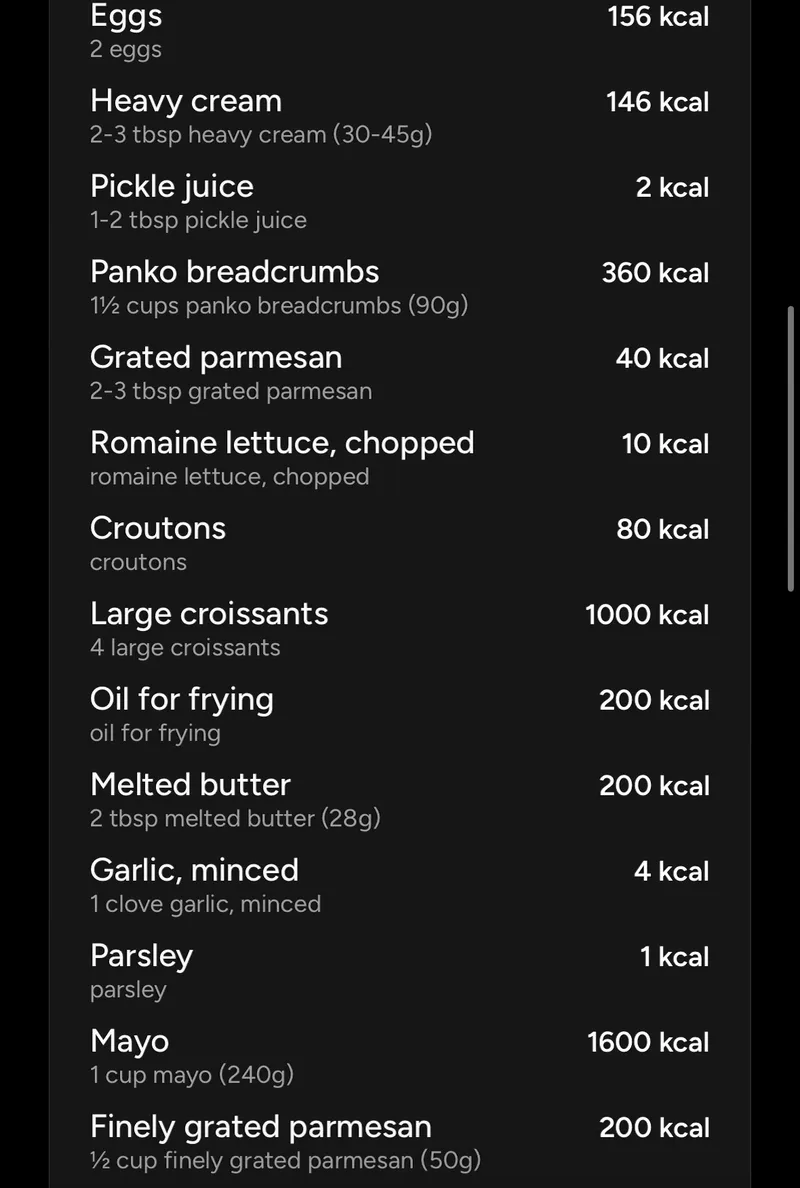
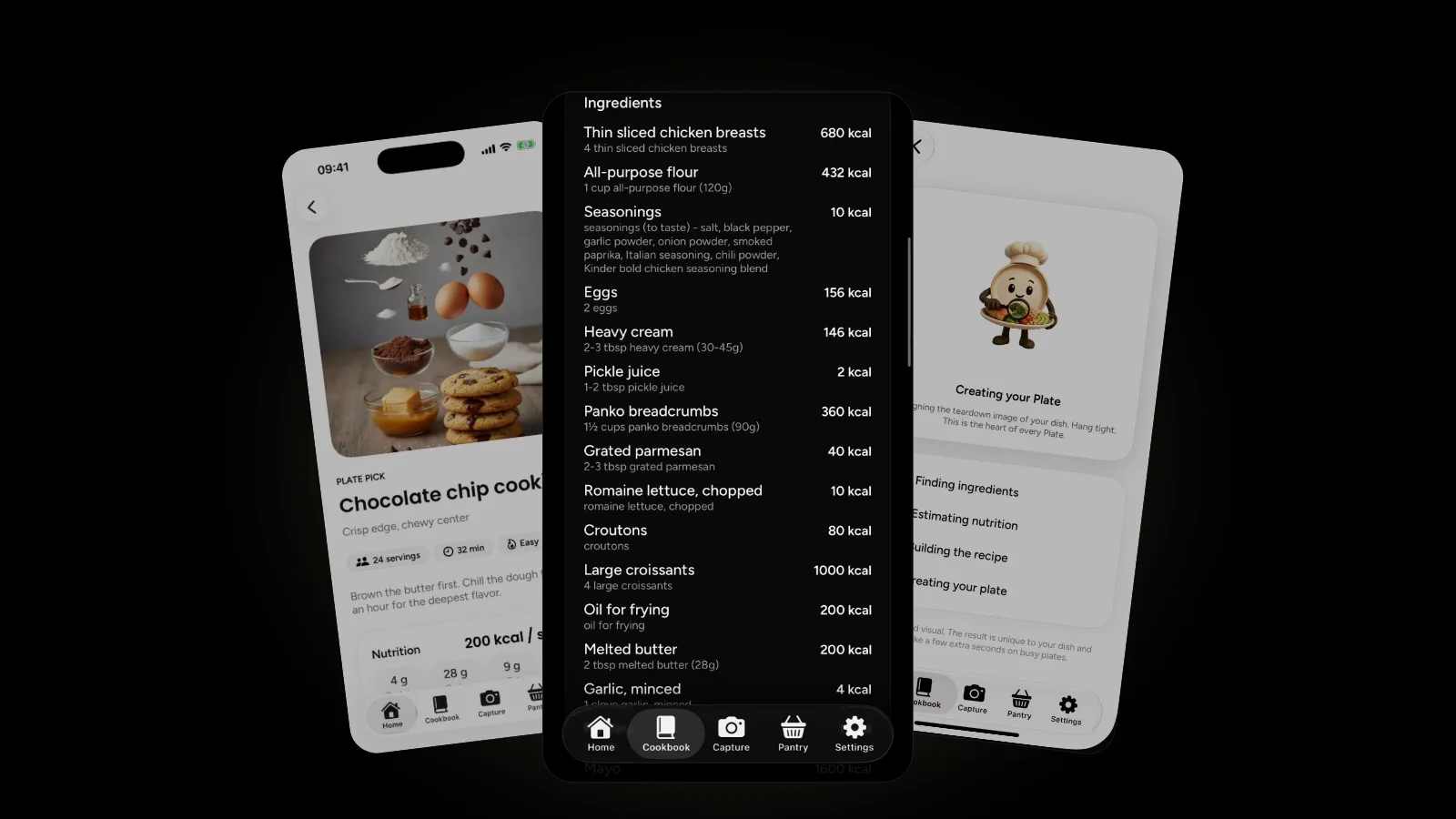
Plate estimates calories for the whole recipe, per serving and per ingredient, so you can see which line carries the energy; full ingredient nutrition is part of Plate Pro. The figures are AI estimates that vary by brand and preparation, not medical or dietary advice. Our guide to calculating calories in a recipe shows the same sum by hand.
How do you test and adjust your copycat version?
Treat it like a small experiment, where each round teaches you one thing:
- Cook the draft exactly once. Don't fix it as you go, or you won't know what worked.
- Taste side by side if you can. Takeout next to your plate beats memory.
- Change one variable per round. Salt, then fat, then heat, then acid.
- Measure the salt you add. The FDA points out that taste alone isn't an accurate way to judge sodium content, so add a pinch at a time and note the total.
- Write down every change. "Round 2: one more tablespoon of butter" turns a lucky dinner into a recipe.
- Scale it to your table. Our guide to scaling a recipe up or down covers the math.
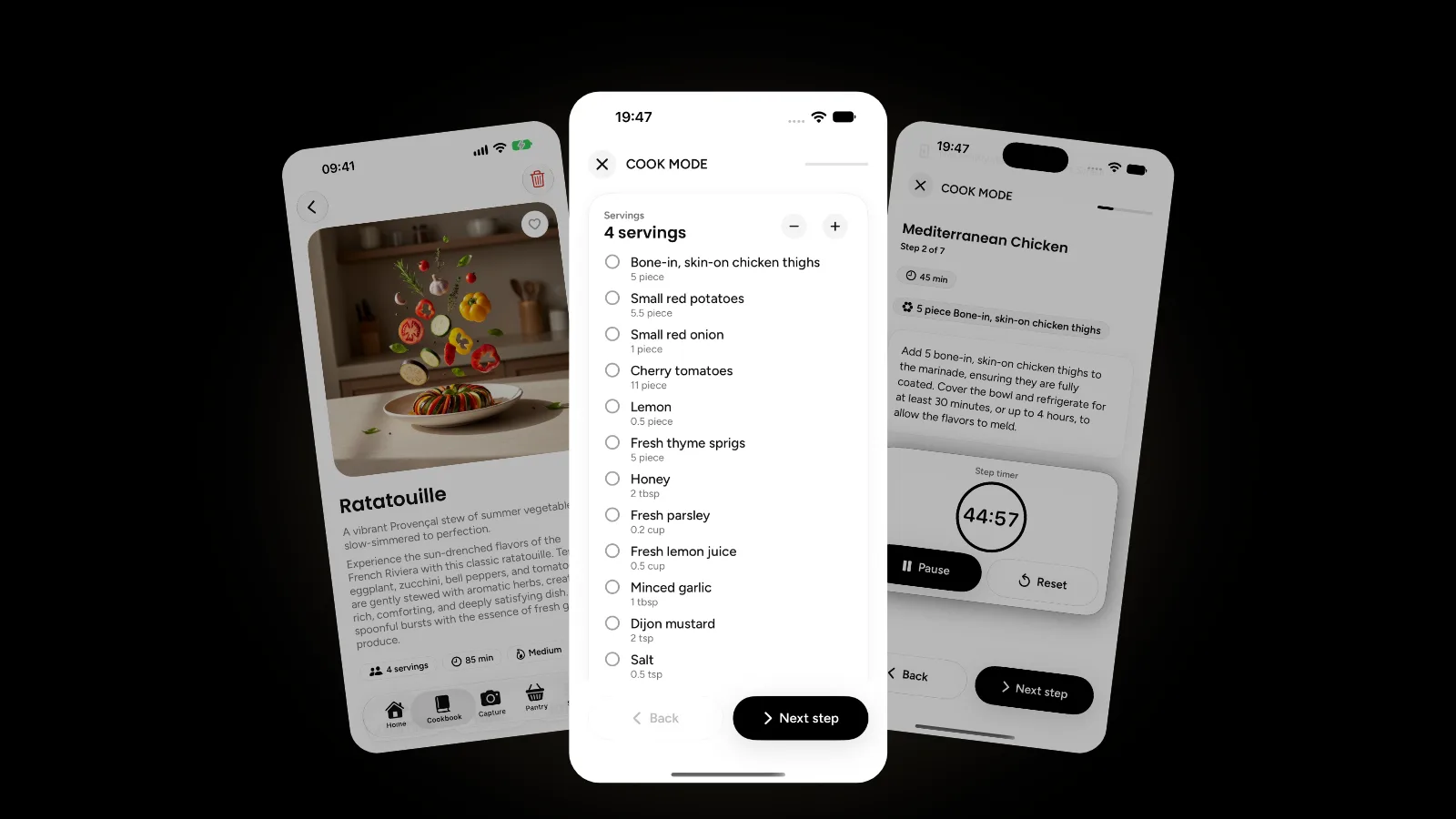
Plate's Cook Mode walks you through the draft one step at a time, with built-in timers and an ingredient checklist, and rescales every amount when you change the servings. Finish the last step and the dish goes into your Yearbook, a private archive of what you've cooked. Keep the winners in one cookbook.
Is a restaurant-style dish safe to cook at home?
Yes, with a thermometer. The CDC says "the only way to tell if food is safely cooked is to use a food thermometer." It lists 145°F for whole cuts of beef, veal, lamb and pork, then a 3-minute rest, 160°F for ground beef and pork, and 165°F for all poultry. A copycat burger is ground beef, so aim for 160°F, however pink the restaurant's looked.
A photo can't show allergens either, like sesame in a dressing or milk in a sauce. Plate shows allergen warnings and dietary tags on every recipe, but check each ingredient yourself when you cook for someone with an allergy.
Which restaurant dishes are easiest to copy?
Sauces, dressings, soups, salads, grain bowls and stir-fries are the friendliest, because the components are visible and seasoning is easy to fix at the end. Deep-fried dishes, wood-fired pizza and anything built on a long-simmered stock are harder to match at home.
Some dishes worth copying never came from a restaurant. If the cooking you miss is a relative's, our guide to preserving handwritten recipes and old recipe cards covers keeping those safe. More guides are in the Plate category.
FAQ
Can you get a recipe from a photo of a restaurant dish?
Yes, as a draft. A photo to recipe app like Plate recognizes the visible ingredients and writes amounts and steps. It can't see butter, salt or cooking temperatures, so judge those from the menu, your tasting notes and any posted nutrition.
Why doesn't my copycat recipe taste like the restaurant's?
Usually it's salt, fat or heat. Season in layers, finish sauces with a little butter and preheat the pan longer. Change one thing per attempt so you know which fix worked.
Do restaurants have to publish calories?
In the US, chains with 20 or more locations must show calories for standard menu items and provide written nutrition information on request, under FDA menu labeling rules. The rule applies to chains, so a local restaurant may not post any numbers.
Is it legal to make copycat recipes?
For your own kitchen, yes. The U.S. Copyright Office says "a mere listing of ingredients is not protected under copyright law," though substantial written directions or a cookbook may be. Cooking a copy at home is fine; republishing someone's written recipe word for word is different. This is general information, not legal advice.
Get started
Next time a restaurant dish is worth remembering, photograph it before the first bite. Plate is free to start on the App Store, and the Plate page shows everything else it can do.