PosturaEye health9 min read
Do blue light glasses work? What eye doctors and trials say
Do blue light glasses work? A 2023 Cochrane review of 17 trials found no clear benefit for eye strain. What eye doctors advise for tired eyes and sleep.
For eye strain, probably not. A 2023 Cochrane review of 17 randomised trials found that blue light filtering lenses may make no difference to eye fatigue, and the American Academy of Ophthalmology does not recommend special blue light eyewear for computer use. Regular breaks, blinking and a comfortable screen setup do more for tired eyes.
This guide covers what the trials measured, what eye doctors say about sleep, and what eases tired eyes instead, including how Postura, our app for posture checks and eye breaks, reminds you to rest your eyes at work. It is general information, not medical advice. If your eyes hurt, stay red or your vision changes, see an eye doctor.
Do blue light glasses work?
For screen eye strain, the evidence says they don't do much. Blue light glasses, sold as blue light blocking or blue light filtering glasses, have lenses that stop part of the short-wavelength visible light from reaching the eye. Ads say they ease eye strain, protect the retina and help you sleep. In 2023, a Cochrane systematic review checked those claims against 17 randomised controlled trials. It concluded that the lenses "may not attenuate symptoms of eye strain with computer use" over a short follow-up period, compared with ordinary lenses. The trials were small and short, and the evidence was rated low certainty. The American Academy of Ophthalmology (AAO) gets to the same place from another direction. It says there is no scientific evidence that blue light from digital devices damages the eye, and that the Academy "does not recommend any special blue light-blocking eyewear for computer use." Its explanation for tired eyes is simpler: how we use screens, not the light coming out of them.
So are blue light glasses worth it? If you want less eye strain, current trials give little reason to expect a change from them.
What did the 2023 Cochrane review find?
The review, "Blue-light filtering spectacle lenses for visual performance, sleep, and macular health in adults", was published in the Cochrane Database of Systematic Reviews in August 2023. It included 17 randomised trials, each with five to 156 participants and follow-up from less than one day to five weeks. The data varied too much to pool into a meta-analysis.
Cochrane rates how much trust each finding deserves, from high to very low certainty:
| Question | What the review found | Certainty of evidence |
|---|---|---|
| Eye strain (visual fatigue scores) | There may be no difference compared with ordinary lenses | Low |
| Flicker test for visual fatigue | Little to no difference | Low |
| Sharpness of vision | Probably little or no effect | Moderate |
| Sleep quality | Unknown: 3 of 6 trials reported better sleep scores, 3 found no difference | Very low |
| Daytime alertness | Unknown | Very low |
| Macular (retina) health | No trial measured it | No evidence |
None of the 17 trials looked at macular health, so the claim that these lenses protect the retina hasn't been tested in a randomised trial. Side effects were infrequent but included headache, discomfort wearing the glasses and lower mood. The authors call for "future high-quality randomised trials."
Does blue light from screens damage your eyes?
No, according to eye doctors. The AAO's 2021 article "Should You Be Worried About Blue Light?" says that "there is no scientific evidence that blue light from digital devices causes damage to your eye." It also points out that the largest source of blue light is sunlight, and that blue light exposure from screens is much less than exposure from the sun.
The AAO's page "Are Blue Light-Blocking Glasses Worth It?" adds that light from a computer has never been shown to cause any eye disease. The symptoms people notice "are caused by how people use their screens, not by anything coming from the screens."
The AAO adds that blue light's effects are still being researched. An AAO spokesperson's bottom line: guarding against blue light when there is no evidence of damage could do more harm than the light itself.
Can blue light glasses help you sleep?
The evidence is unclear. In the Cochrane review, six trials with 148 people looked at sleep. Three reported better sleep scores with blue light filtering lenses and three found no difference. The trials studied different groups of people, and the evidence was rated very low certainty.
Eye doctors focus on screen habits instead of glasses. The AAO says blue light affects the body's circadian rhythm, and that too much of it late at night from a phone, tablet or computer "can make it harder to get to sleep." Its advice is to limit screen time in the two to three hours before bed, and to try the nighttime settings on your devices in the evening.
Those settings are already on your phone:
- iPhone and iPad: Night Shift. Apple says Night Shift uses your device's clock and location to work out when it's sunset, then shifts the display to warmer colors. Find it in Settings, then Display & Brightness.
- Google Pixel: Night Light. Google says Night Light can reduce your screen's blue color and turn it red or amber. Find it in Settings, then Display & touch. Other Android phones may use a different name.
A warmer screen is still a screen, though. The AAO's first suggestion is less of it before bed. If your evening screen time is mostly games, our guide to healthy gaming habits covers when to stop before bed.
What actually makes your eyes tired at a screen?
Mostly the way we look at screens. The AAO's page on computers, digital devices and eye strain says people normally blink about 15 times a minute, but only about 5 to 7 times a minute while using screens. Fewer blinks leave the eye's surface dry and tired. The AAO says this is no different from the strain of reading or sewing for long stretches.
The AAO's guide to eye strain and sleepy eyes lists other everyday causes:
- Focusing for a long time without blinking.
- An air vent blowing hot or cold air in your face.
- An incorrect prescription for glasses or contacts, which can cause blurriness and make strain feel worse.
- A room that's too bright or not bright enough.
- Poor posture, which can cause neck, shoulder and back pain that some people put down to eye strain.
Notice what's missing from that list: blue light. The same guide says eye strain does not injure the eye or cause permanent damage. For dryness, see our guide to dry eyes from screens. If the ache is really in your neck and shoulders, a quick posture check is a good place to start.
What helps tired eyes more than blue light glasses?
Small changes, all from AAO guidance:
- Take eye breaks. The 20-20-20 rule means looking at something at least 20 feet (about 6 meters) away for at least 20 seconds, every 20 minutes. Our guide to the 20-20-20 rule for eye strain explains it and how to remember it.
- Blink on purpose. Make a conscious effort to blink, and use artificial tears when your eyes feel dry.
- Move the screen. Sit about 25 inches (about arm's length) away, with the screen placed so your gaze points slightly down.
- Fix the light. Match screen brightness to the room, raise the contrast, and try a matte screen filter if glare bothers you.
- Check your prescription. If you struggle to see the screen, ask an eye doctor about computer glasses. These are prescription lenses for screen distance, about 20 to 26 inches away. The AAO notes they "are not the same as" blue light blocking glasses.
- Give contacts a rest. If you wear contact lenses, wear your glasses instead now and then.
See an ophthalmologist if your eyes are consistently red, blurry or watery, become sensitive to light or start to hurt.
Most of these take seconds, not minutes. Our guide to micro breaks at work covers how often to fit them into a day.
How Postura reminds you to rest your eyes
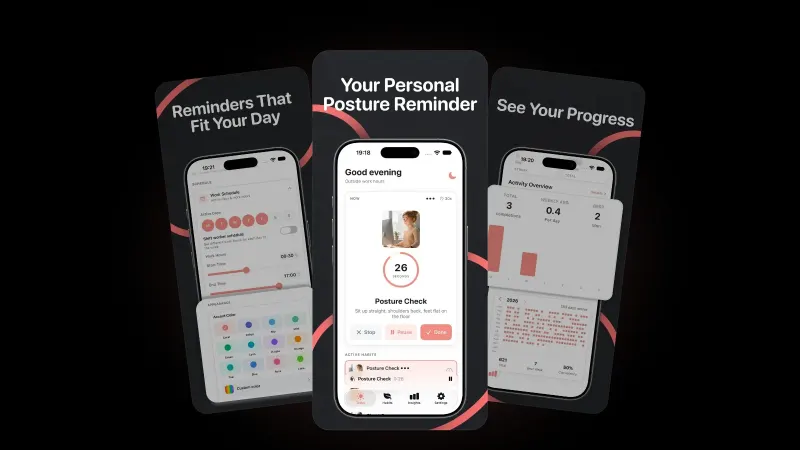
Postura doesn't filter light or change your screen colors. It reminds you to take eye breaks while you work. Three are built in, each with a timer:
- 20-20-20 Rule (20 seconds): look at something 20 feet away.
- Screen Pause (15 seconds): look away from your screen and blink several times.
- Eye Relief (10 seconds): close your eyes and breathe deeply.
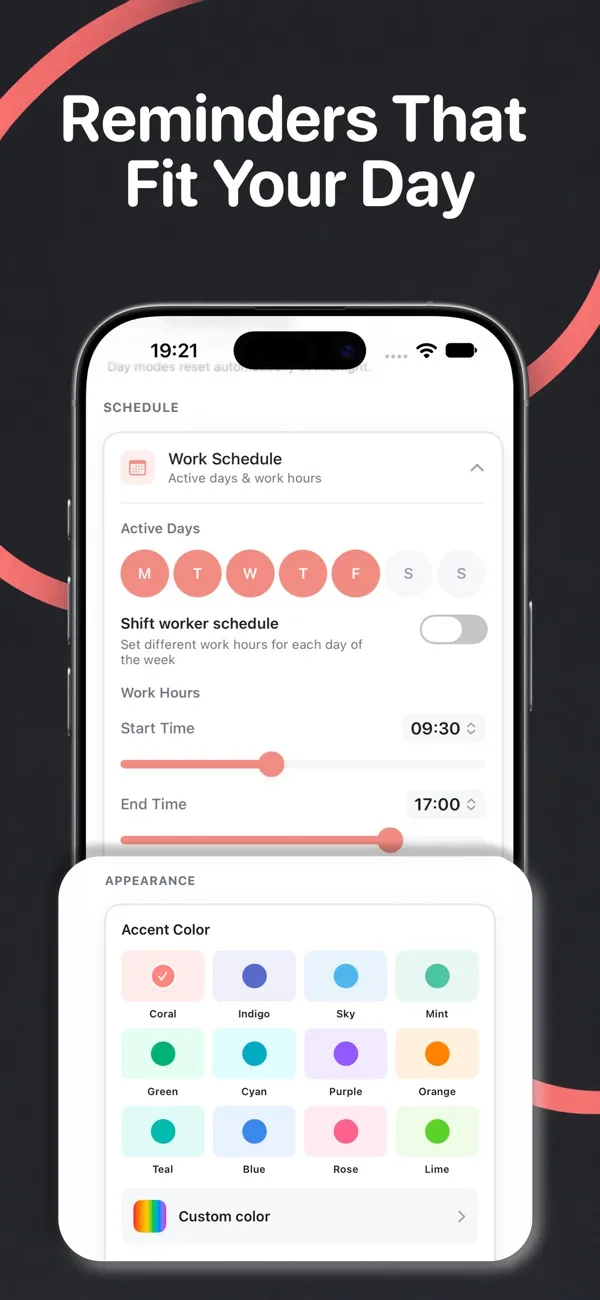
Reminders follow your working hours, active days and daily goals, so they arrive while you work and stay quiet after. There's no account to create, and your habits stay on your device.
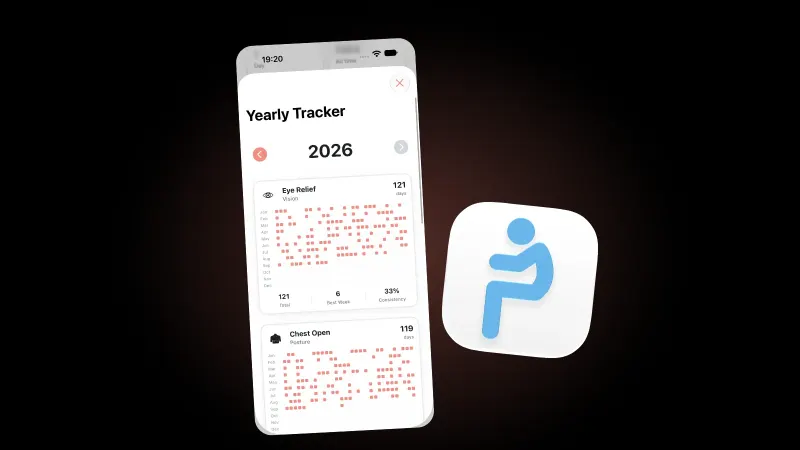
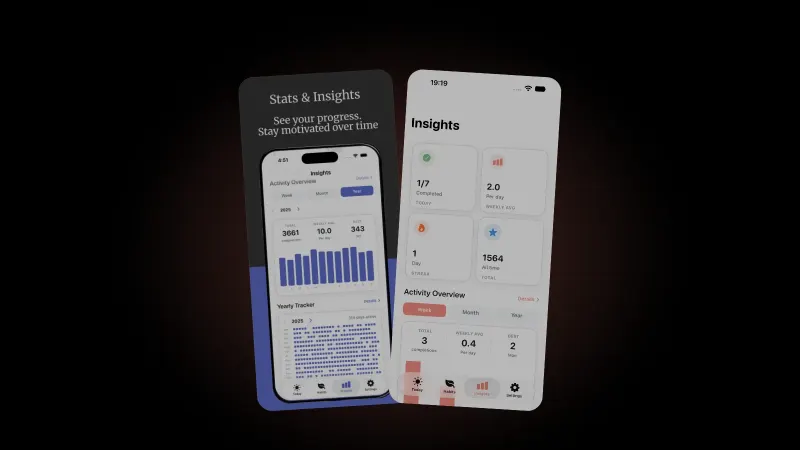
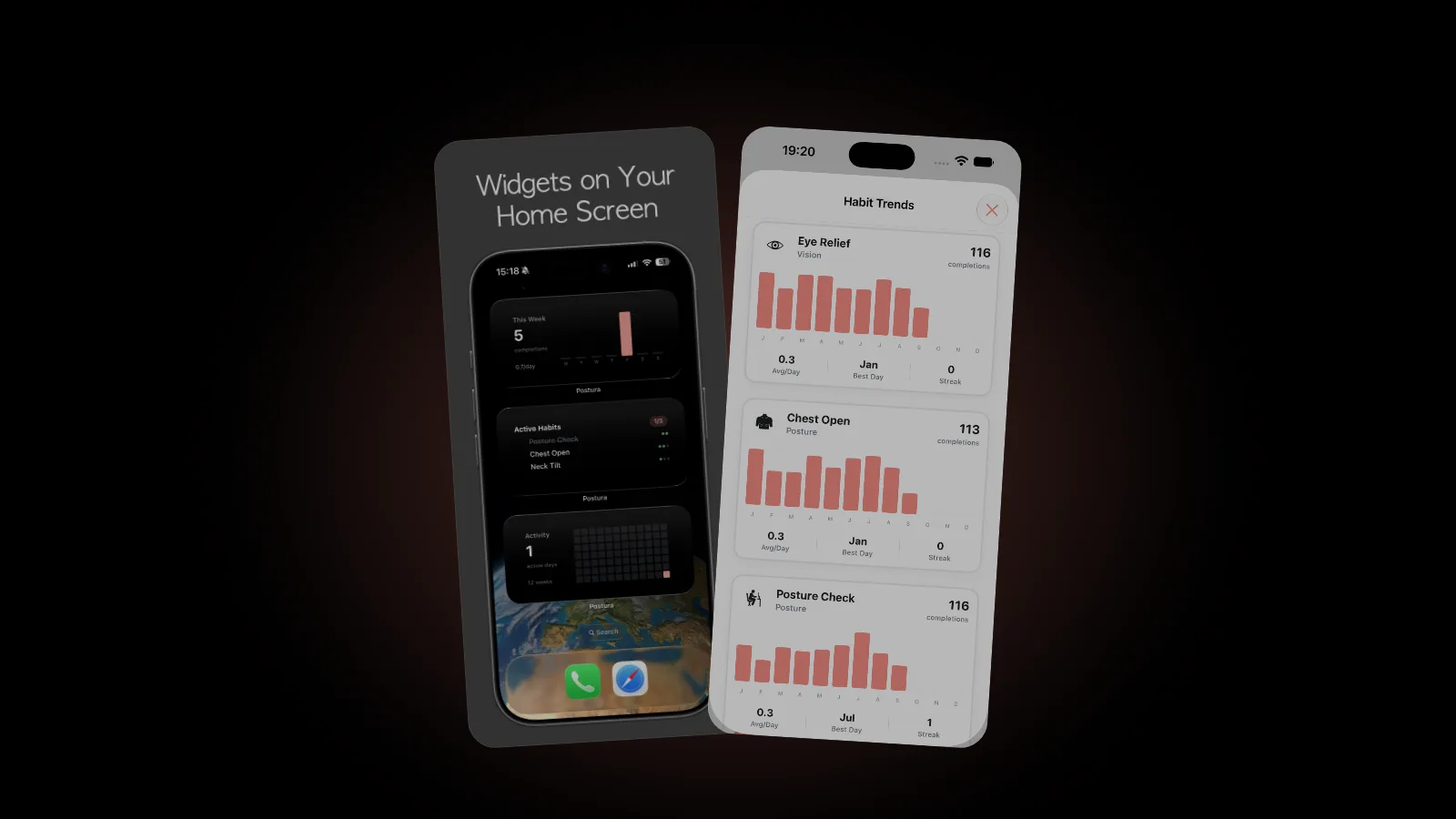
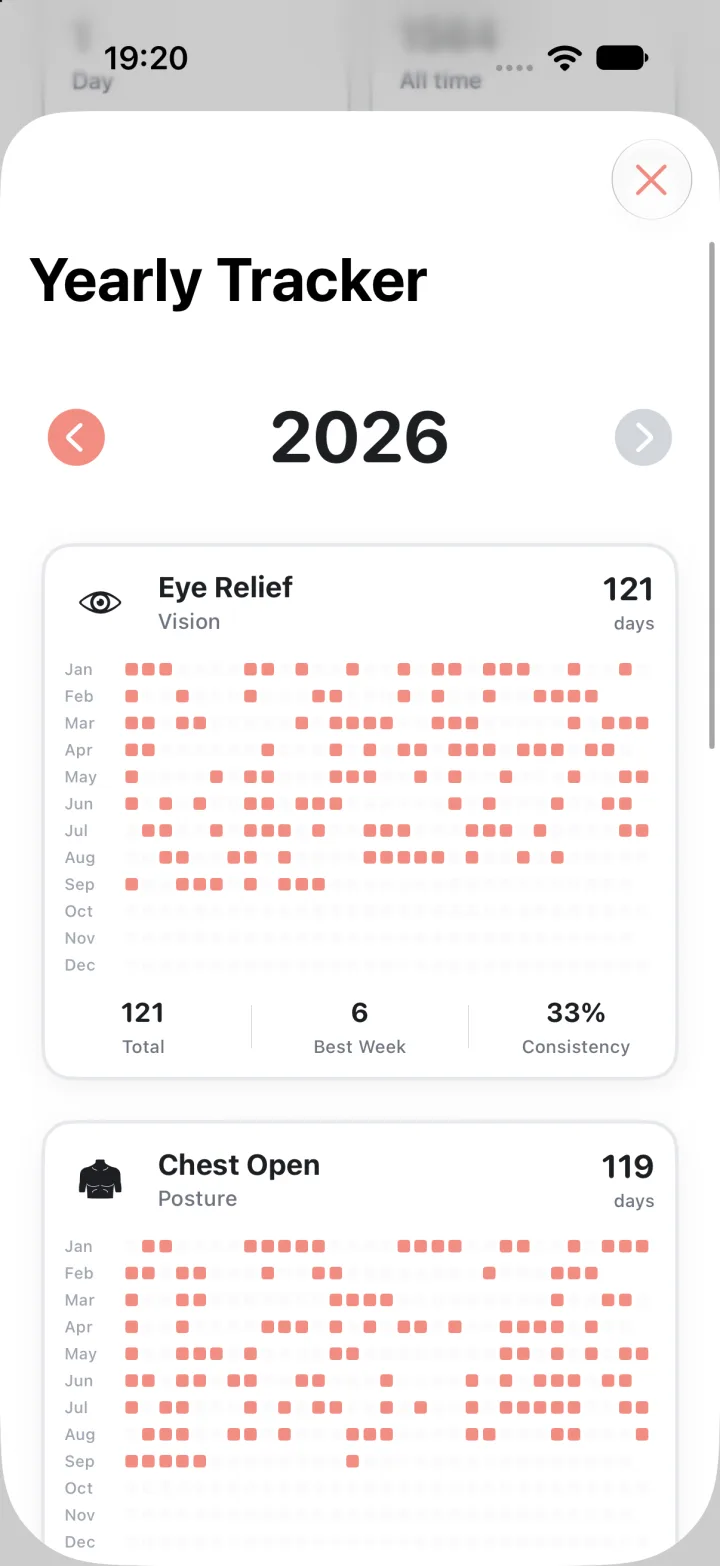
With Postura Pro, Habit Trends and the Yearly Tracker show whether the breaks actually happen, habit by habit.
FAQ
Are blue light glasses worth it for computer work?
For eye strain, the evidence is weak. A 2023 Cochrane review of 17 trials found blue light filtering lenses may make no difference to visual fatigue, and the American Academy of Ophthalmology does not recommend special blue light eyewear for computer use. Breaks, blinking and screen position help more.
Should I wear blue light glasses at night to sleep better?
Trials disagree. In the Cochrane review, three of six sleep trials found better sleep scores and three found no difference, rated very low certainty. The AAO suggests limiting screens in the two to three hours before bed and using nighttime settings such as Night Shift or Night Light.
Does Night Shift or Night Light protect your eyes?
They shift your screen to warmer colors in the evening. The AAO suggests nighttime settings to cut blue light before sleep. Eye protection isn't the reason, since the AAO says there is no scientific evidence that blue light from devices damages the eyes.
Are computer glasses the same as blue light glasses?
No. Computer glasses are prescription lenses for focusing at screen distance, about 20 to 26 inches away, and an eye doctor can tell you if they would help. The AAO says they are not the same as blue light blocking glasses.
Get started
Postura is free to download on the App Store for iPhone and Apple Watch, and on Google Play for Android, with an optional Pro subscription. It brings eye breaks, posture checks, stretches and breathing moments into the hours you choose. Postura is not a medical app; it is a gentle way to build better desk habits. See everything it does on the Postura page or read more Postura articles.